Tools and Materials
I’ve stripped enough sofas to know this: the tools decide your fate before you ever learn how reupholster a couch. A quality staple gun and 8mm staples are non-negotiable. You also need webbing, foam, and batting. A staple remover saves your knuckles from a brutal afternoon.
For South African homes, choose fabrics that handle humidity well. Polyester blends work wonders. Check your frame for loose joints; a rubber mallet and wood glue fix most problems.
- Fabric shears
- Screwdriver set
- Webbing stretcher
Lay these out in advance. The right tools change everything.
Preparing the Workspace and Couch
I once started a reupholstery project in a cramped lounge, and within an hour I was surrounded by loose springs and torn fabric. The true challenge of how reupholster a couch emerges before you touch the upholstery, right in the preparation phase.
Clear the room completely! A spacious, well-lit workspace lets you move around the frame without knocking into side tables. Lay down a drop cloth to protect the floor from stray tacks and screws. Gather your tools in one corner, then inspect the couch’s structure for broken joints or water damage.
Stripping the Old Upholstery
The fabric you fell in love with at the store is a liar. It promises a fresh start, but it hides the grim reality of what lies beneath. Before you can enjoy that new look, you must confront the ghost of the old couch. This is where the real work begins, and it is not for the faint of heart. You have to learn how reupholster a couch properly, starting with a complete deconstruction.
This stage is a meticulous autopsy. You are not tearing; you are dissecting. Use a sharp seam ripper to carefully detach the panels. Do not cut the fabric if you plan to use it as a pattern. Work slowly to preserve the integrity of each piece. Here is the process for a clean removal:
– Locate the seams and remove the stitches with the ripper.
– Gently pull the fabric away from the frame, checking for hidden staples.
– Set each removed panel aside in a labeled pile for pattern reference.
Once the skin is off, you will see the bones. The frame will be exposed, along with the layers of foam and webbing. This is the moment of truth. It reveals the level of craftsmanship from the original build. You may find horsehair, cotton batting, or crumbling foam. The staples you missed will fight you, so keep a pair of pliers handy. This gritty chore is the foundation for everything that follows. It is the only way to ensure the new layers sit perfectly flat and true to the frame’s lines.
Cutting and Sewing New Fabric
The moment you slice into that new fabric, there is no turning back. Precision matters more than passion here. Cut along the grain, using the old pieces as your template, but always add a generous seam allowance. That extra centimeter saves you from disaster.
Before you thread the machine, pin everything twice. Sew slowly, pulling the fabric taut, but never forcing it. A skipped stitch hides in the curve of an armrest, waiting to unravel.
- Mark the wrong side with chalk
- Match patterns at the seams
- Use a heavy-duty needle for upholstery weight
This is where you learn how reupholster a couch demands patience. Every fold and tuck tells the truth. Rushing breaks the weave.
Attaching the New Upholstery
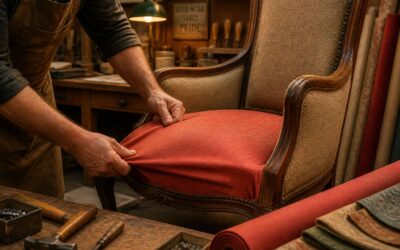
Attaching new upholstery is where the transformation begins. Gravity and muscle memory work against you here, so work slowly and methodically. Start by draping the fabric over the frame, allowing generous excess on every side. This slack gives you the room to adjust and pull tension later. Position the fabric so its pattern or weave aligns with the sofa’s structure.
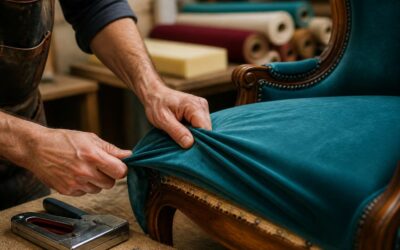
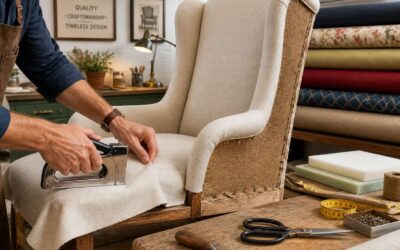
Paying attention here is central to mastering how reupholster a couch effectively. Secure the centre of each panel first, then work outward toward the corners. Use a staple gun set to the right pressure for your wood. The fabric should feel drum tight, but not so stretched that it puckers. For the seat deck, choose a strong, breathable base cloth instead of reusing old webbing. When you reach the arms and backs, follow a logical sequence to prevent wrinkles:
1. Attach the back panel, pulling downward.
2. Staple the seat cushion deck.
3. Finally, fold and secure the arm fronts.
Do not rush the corners. They require folding and tucking to create clean lines. Trim excess material with a sharp blade, leaving a small allowance for future shifts. The miracles happen here, in the quiet, repetitive pull and staple of the fabric over the foam.

0 Comments