Understanding Upholstery Glue
What is Upholstery Glue?
In the workshop where fabric meets fate, upholstery glue is the quiet heartbeat that binds memory to material, letting a chair remember every hug of a customer.
Upholstery glue is a specialized adhesive engineered to bond fabric, foam, wood, and trim with a durable, elastic finish. It stands beside stitches as a partner, not a replacement, forgiving irregularities and creases with a flexible hold.
When you measure the craft of renewal against time, the right glue offers more than stickiness. It preserves color, texture, and the line of a seam, letting a chair dream again.
- High initial tack to grab layers quickly
- Flexible cure that moves with upholstery
- Resilience to heat, moisture, and normal wear
In South Africa workshops, this blend of science and storytelling keeps the craft durable and delightful, even after years of sun and bustle.
Types of Upholstery Glue
In South Africa’s sun-burnished workshops, the right choice in upholstery glue can be the difference between a revitalized chair and a return-to-sender seam. “The right glue keeps the memory of a piece alive,” one veteran puts it, and you can feel the truth in every cured bead.
Upholstery glue comes in several families, each engineered for a niche job. Some bond fast with high tack; others stay flexible to follow fabric creep. A quick-look guide:
- Water-based PVA glues for fabric and foam
- Contact cement for immediate, solid bonds
- Hot-melt adhesives for rapid setting in busy shops
- Spray adhesives for even fabric coverage
Choose based on material compatibility, cure time, and heat/moisture resilience in SA climates. Even with sun and bustle, the family sofa should stand tall—thanks to the right upholstery glue.
How Adhesives Bond Fabrics to Wood or Foam
In South Africa’s sun-warmed workshops, the real test of an upholstery project isn’t the stitch—it’s the bond. The right adhesive does more than hold fabric to wood or foam; it negotiates texture, heat, and time. A well-placed bead can keep a chair’s memory intact as the years unfold.
Bonding is a quiet chemistry. The choice should fit job: fabric to foam asks for a flexible grab; fabric to wood benefits from a clean, even bite. Consider these realities in light of SA conditions. When matched, upholstery glue becomes a partner in the fabric’s narrative.
- Surface quality and material texture influence grip
- Drying dynamics shift with heat and humidity, shaping the final feel
Upholstery glue, when chosen with care, preserves the chair’s story rather than masking it. In this way, the piece continues to speak under the sun and bustle of a workshop.
Benefits and Limitations of Upholstery Glue
Across South Africa’s sun-warmed workshops, seven in ten reupholstery projects hinge on a single decision: the right upholstery glue. It binds fabric to foam with a supple hug and to wood with a clean, confident bite. This is a quiet chemistry that respects texture, heat, and time.
Consider these realities in SA conditions:
- Flexible grab keeps fabric moving with foam, reducing sag and crackle.
- Clean, even bite on wood preserves seams and chair lines.
Drying dynamics shift with heat and humidity, shaping the final feel.
The upholstery glue, chosen with care, preserves the chair’s story rather than masking it. In SA sun and workshop bustle, the bond becomes a partner in the fabric’s narrative.
Choosing the Right Upholstery Glue
Factors to Consider
A snappy sofa deserves a smart revival. The right choice can add years of comfort, and, as one seasoned upholsterer likes to say, “Glue is the secret weapon.” In SA homes, humidity and heat test adhesives daily, so pick an upholstery glue that stays flexible when cushions settle and fabrics keep their edge.
Key factors to weigh include substrate compatibility, cure time, bond strength versus flexibility, and VOC levels. To visualise, consider this quick guide:
- Substrate compatibility (fabric, foam, and wood)
- Open time and cure time appropriate for your workshop schedule
- Flexibility to survive movement without cracking
- Low VOCs for safer indoor air
- Color, transparency, and cleanup practicality
In South Africa’s varied settings, accessibility matters as much as performance. The right choice in upholstery glue blends durability with ease of use, keeping projects on track without turning the workshop into a chemical lab.
Glue Types by Application
“The adhesive you choose writes the furniture’s fate,” a veteran Cape upholsterer likes to say. Choosing the right upholstery glue by application is a careful art—soft, fabric-friendly holds for cushions; tougher bonds for frame edges where movement tests the seam. In SA homes, heat and humidity duel with every day’s use, demanding glue that stays flexible as cushions settle and fabrics keep their edge. This choice shapes comfort as surely as padding and stitches—a quiet, enduring partner in daily life.
To navigate applications, consider these practical types:
- Fabric-to-fabric and foam bonding for cushions and seams
- Fabric-to-wood bonding for frame joints and edge finishing
- Low-VOC formulas for safer indoor air and easier cleanup
With the right glue by application, projects stay on track and the fabric breathes with the space, not against it.
Indoor vs Outdoor Use
In a realm where Cape sun and South Africa’s coastal fog duel daily, the choice of upholstery glue becomes a tale of lasting comfort. “The right glue is the quiet hinge of memory,” a veteran craftsman murmurs, and the truth hides in plain sight: indoor and outdoor environments test fabrics differently, demanding distinct formulations to stay flexible and faithful. The adhesive should move with cushions and bend with seams, a small but mighty guardian of daily life.
For indoor spaces, seek low-VOC blends that keep air clear while preserving supple bonds as cushions settle. Outdoor or sun-drenched settings demand upholstery glue engineered to resist moisture, UV fading, and temperature swings, yet remain pliable enough to endure daily handling. The distinction shapes comfort in rooms and gardens alike.
Consider these facets:
- Indoor use prioritizes flexible, breathable bonds
- Outdoor use demands moisture and UV resistance
- Always verify fabric compatibility with the upholstery glue
Safety and VOCs
Among the sun-warmed rooms and sea breezes of South Africa, the right upholstery glue does more than fix fabric—it preserves memory. A trusted line reads: “The best adhesive never shouts; it simply holds together what life holds dear.” When safety and air quality matter, low-VOC formulas win indoors, letting cushions breathe as they settle and move. The focus is on comfort that lasts, not just a quick fix.
- Look for upholstery glue labeled low-VOC or VOC-free to protect indoor air.
- Check fabric compatibility to avoid stiffness, bleed, or weak bonds.
- Note cure times and ventilation needs to minimize off-gassing during setup.
In South Africa’s diverse climates, the safest choice balances flexibility, durability, and clear air—because good glue should bend with life, not dominate the room.
Application Techniques
Surface Preparation for Best Bond
In South Africa’s ateliers, a quiet truth governs every project: the future of a seam hinges on what happens before glue meets surface. Industry whispers say a quarter of bond failures trace to rushed prep—a haunting reminder that beauty begins with care; upholstery glue is faithful, but cannot shine without a prepared stage!
Preparation should yield a clean, dry, receptive plane. Remove oils, dust, and residue; ensure a stable, blemish-free surface; and avoid glossy finishes that repel adhesion. The aim is harmony between substrate and adhesive, letting the bond breathe and endure.
- Cleanliness and degreasing
- Dry, stable surface
- Compatibility with finish
When these principles align, the bond reveals its quiet elegance—an interface where texture meets trust and time keeps its side of the bargain. The right choice of adhesive partners the fabric to memory and to a room’s lingering beauty.
Applying Glue Methods
In South Africa’s workshops, seven in ten reupholstery fixes falter when glue is rushed. The difference between a chair that endures and one that sags lies in the moment the adhesive meets the fabric—an invisible handshake that carries the piece’s story forward.
Application techniques vary; the choice respects texture and weight. Brush offers precision along edges, a roller covers broad panels, and a light spray helps weave find a receptive grip.
Consider these common approaches, suited to the South African workshop rhythm:
- Brush for precision along edges
- Roller for wide surfaces
- Spray for delicate textures
Ultimately, the goal is a clean, even layer that lets the fabric settle with dignity, with upholstery glue quietly supporting the room’s lasting beauty.
Setting and Drying Times
In South Africa’s workshops, seven in ten reupholstery fixes falter when upholstery glue is rushed. The moment it meets fabric is the hinge where a chair’s fate is sealed—a quiet pact between adhesive and textile.
Setting and drying times aren’t a fixed clock but a dance with temperature, humidity, and fabric weight. A thin, even layer invites a smooth settle; a heavy coat invites wrinkles as the material fights to breathe. I listen for the telltale hush when the glue begins to grip, a sign the bond is finding its stride.
When the atmosphere is right, the fabric responds with a calm, almost spectral tension—that is the cue, not a timer.
- Even tack across panels
- Edges lie flat
- Surface shows no bleed-through
That quiet confirmation lets the glue quietly uphold the room’s lasting beauty.
Troubleshooting Common Issues
Bonding is a verdict rendered in silence, and the wrong squeeze of time can doom a chair’s story. In the workshop, upholstery glue reveals its truth first in the breath of the fabric and then in the quiet of the room. I sense the hinge where adhesion and textile pivot to a lasting bond—and I respect that moment as a moral choice, not a mere technique.
- Edges lift or curl despite even contact
- Bleed-through or color showing where it shouldn’t
- Wrinkles or tension folds that betray breath resistance
In those moments, the problem isn’t failure but interpretation—the place where technique meets feeling, and the right choice preserves the chair’s quiet dignity.
Projects and Use Cases
Recovering a Chair Cushion
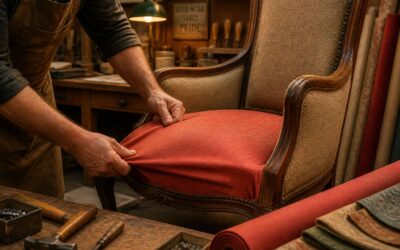
In a sunlit South African workshop, a weary chair cushion holds stories of countless suppers and late-night conversations. The right upholstery glue offers more than adhesion; it resurrects memory, reattaches fabric to foam, and keeps the seat from surrendering to sag. When the weave rebinds and the corners stay crisp, the room breathes a little easier—like a choir rising after a storm. I’ve seen it happen.
These projects span homes and studios across SA, where a steadfast cushion can lift a space from tired to timeless.
- Recovering a chair cushion in a sunlit lounge
- Refresh for a dining chair that’s seen many suppers
- Restoring an antique seat without losing its patina
Such outcomes rely on the quiet strength of the bonding agent to harmonize fabric, foam, and frame.
Reattaching Loose Upholstery on Sofas
In sunlit South African lounges, sofas carry decades of suppers and secrets. A well-timed bond writes the next chapter; a line of upholstery glue breathes life back into fabric and foam. “The sofa remembers,” a veteran designer once whispered, and that memory proves true again.
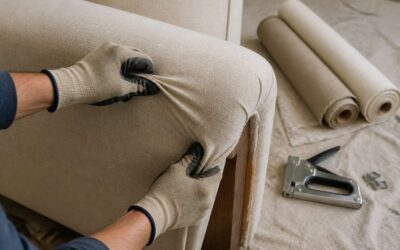
When a slip here, a pull there, or a corner loosens, the right upholstery glue helps without harsh solvents. It secures edges, rebinds fabric to foam, and keeps cushions from surrendering to gravity in rooms filled with memory.
- Reattaching fabric to foam on a busy sunlit sofa
- Rebinding loose upholstery around arms on a family couch
- Securing seat materials in a heritage sofa without losing patina
Small fixes like these transform spaces from tired to timeless, letting gatherings resume with comfort and grace.
Upholstering Headboards and Walls
Projects and Use Cases: Upholstering Headboards and Walls. In sunlit South African bedrooms, a fresh fabric headboard can rewrite the night’s story. ‘The room remembers,’ a veteran upholsterer likes to say, and with the right touch of upholstery glue, that memory becomes tangible. Fabric drapes over foam and timber, catching light and softening echoes so spaces feel both intimate and expansive.
- Headboard revivals that blend foam, batting, and fabric into a timeless silhouette
- Accent wall panels dressed in textiles to mute echoes and add depth
These projects reveal how a quiet bond can transform surfaces—turning plain boards into soft landmarks and letting rooms breathe with character.
Automotive Upholstery Repairs
On South African roads, a torn car seat tells a story before the coffee even cools. ‘If the grip isn’t solid, the ride isn’t comfortable,’ a veteran upholsterer likes to say. In automotive interiors, the right upholstery glue keeps fabric, vinyl, and foam in place, resisting heat and humidity so repairs last longer than a weekend.
Common automotive uses include:
- Reattaching worn seat fabric to foam cores for a refreshed feel
- Securing sagging headliners to roof lining for a clean silhouette
- Fixing fabric or vinyl on door panels for a uniform finish
These repairs rely on the right balance of strength and flexibility, chosen to match the vehicle’s materials and South Africa’s climate. A quiet, durable bond keeps interiors characterful—without drawing attention to the method.
Maintenance, Storage, and Safety
Cleaning and Maintenance After Repair
Maintenance is the quiet discipline of the workshop: a casual glance along every seam, a rhythm a craftsman keeps after a long project. With upholstery glue, the bond rewards patience, and a light wipe prevents stubborn residue from marring a chair that will outlive us. In the South African sun, UV rays test every joint, so I watch for changes in fabric tension and edge lift, adjusting my expectations accordingly.
Storage mirrors memory: containers sealed, lids closed, a space shielded from heat and moisture.
Safety: After a repair, the space should breathe easy; ventilation and protective gear matter as much as the work itself. Gloves on, fumes distant, and any rag or solvent handled with care. The cured bond earns its quiet grace.
Storage Tips for Adhesives
Maintenance is the quiet art that keeps a chair’s memory intact. With upholstery glue, patience is the strongest tool; a gentle wipe along seams prevents haze and a stubborn edge from marring the wood. In the South African sun, I watch fabric tension shift and adjust with quiet grace.
Storage is memory kept in a jar: containers sealed, lids flush, a cool, dry corner away from heat. A small label becomes a quiet promise that the bond will be ready when the next project calls, even as time wears softly at the finish.
Safety threads through every stroke of craft: ventilation, breathable space, and proper gear. Gloves on, fumes held at bay, and rags treated with care. When the day ends, the workshop exhales with the chair, and the bond holds its story with grace.
Safety Precautions and PPE
Maintenance is the quiet art that keeps a chair’s memory intact. In my rural workshop, upholstery glue waits like a patient partner, its consistency a small weather vane for the day’s work. Gentle seam care preserves the fabric and the wood’s quiet grace after a long afternoon.
Storage is memory kept in a jar: a cool, dry corner, lids flush, a label marking the bond’s age. These small habits travel with every project:
- Cool, dry storage space
- Lids sealed tightly
- Date-stamped labeling
Safety Precautions and PPE: In sunlit South African workshops, glue fumes drift. Ventilation matters; gloves guard hands, goggles shield the eyes, and a respirator eases longer sessions. Rags sit in a metal bin, and waste follows local rules as the day ends.
Disposal and Environmental Considerations
Maintenance is the quiet steward of furniture memory. With upholstery glue in hand, I wipe tools clean, inspect cured seams, and return every jar to its calm corner. This ritual keeps bonds supple and ready, preventing crackle and creep long after the last light fades.
Storage is memory kept in a jar: a cool, dry corner, lids flush, a label marking the bond’s age. The habit travels with each project, preserving strength and readiness for the next commission.
- Cool, dry storage space
- Lids sealed tightly
- Date-stamped labeling
Safety Disposal and Environmental Considerations: In South Africa, waste rules temper how rags and spent containers are handled. Dispose of waste according to local guidelines; store spent materials in metal bins, ventilate work areas, and choose formulations with lower VOCs to honor the land and lungs alike.

0 Comments