Understanding the Basics of Reupholstery and Buying New Furniture
Overview of Reupholstering – What does reupholstering involve? The process and benefits.
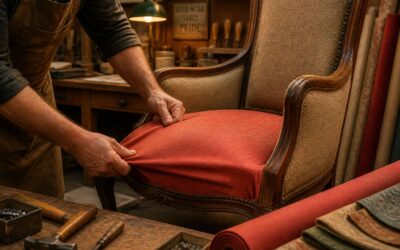
In an age where sustainability and style intertwine, understanding the core of reupholstery offers a compelling perspective on furniture choices. Reupholstering a piece involves stripping away the old, tired fabric, and meticulously replacing it with fresh textiles — a process that breathes new life into well-loved furniture. This isn’t merely about aesthetics; it’s about preserving craftsmanship and reducing waste. The benefits extend beyond appearance, offering a tailored fit to personal taste and indoor decor while contributing positively to environmental conservation.
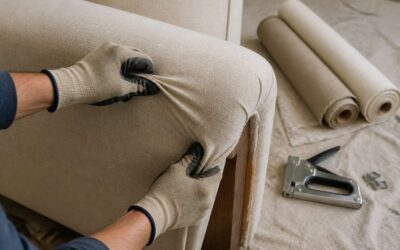
Reupholstering involves careful assessment, selecting durable fabrics, and employing skilled craftsmanship to ensure longevity. Often, the process includes reinforcing the internal framework and padding to restore both comfort and structure. For those debating reupholster vs new, it becomes clear that reupholstering is a thoughtful investment in heritage and functionality. This choice champions sustainability and character, contrasting sharply with the whirlwind of mass-produced furniture that floods the market.
Benefits of Purchasing New Furniture – Why choose new furniture? Advantages and considerations.
Stepping into the world of furniture choices reveals a compelling crossroads: should you choose to **reupholster vs new**? Understanding the basics of reupholstery is essential—this craft combines artistry with functionality, transforming beloved pieces into bespoke statements. Reupholstering involves stripping away outdated fabric, inspecting the framework, and selecting durable, high-quality textiles to craft a renewed masterpiece. It’s an intimate process that can extend the life of a cherished chair or sofa while maintaining its character.
On the other hand, buying new furniture presents its own set of advantages. Modern pieces often feature innovative designs, improved comfort, and the latest materials. Here are some benefits of purchasing new furniture:
- Immediate availability—no waiting time for customization or repairs
- Enhanced structural integrity with contemporary manufacturing standards
- Access to trending aesthetics and color palettes
While **reupholster vs new** remains a nuanced debate, each choice reflects different priorities—heritage and sustainability or convenience and innovation. Ultimately, the decision hinges on your personal aesthetic, environmental considerations, and how much character you wish to preserve in your living space.
When to Consider Reupholstering vs Buying New – Factors influencing the decision including age, style, and condition.
Choosing between reupholster vs new furniture is a decision layered with meaning, practicality, and sometimes, nostalgia. Factors such as the age of your piece, its style, and structural condition play pivotal roles in guiding this choice. An older, well-crafted chair that holds sentimental value may justify the investment in reupholstery, preserving its history and character. Conversely, if the framework shows signs of deterioration or the piece is markedly outdated, opting for new furniture could be more pragmatic.
Understanding when to consider reupholstering versus buying new hinges on specific indicators. For example, if a sofa has a sturdy frame but the fabric is faded or torn, reupholster vs new becomes a matter of sustainability and cost-efficiency. On the other hand, modern furnishings often incorporate cutting-edge materials and innovative designs that outshine older pieces. When evaluating your options, it’s helpful to weigh:
- The age of the furniture
- The current condition, especially the framework
- Desired aesthetic versus existing style
This nuanced assessment ensures your decision aligns with your personal taste, environmental considerations, and investment mindset—an ongoing debate of reupholster vs new that reflects not just furniture, but philosophy in how we inhabit our space in South Africa’s vibrant landscape.
Cost Comparison: Reupholstering vs Buying New
Initial Investment and Budgeting – Cost factors for reupholstering and new furniture.
When weighing the financial scales of reupholstering vs new furniture, understanding the initial investment is crucial. Reupholstery can be surprisingly economical, often costing a fraction of what you’d pay for a brand-new piece. In South Africa, where craftsmanship is cherished, a well-done reupholstery job breathes fresh life into vintage finds without draining your wallet. Conversely, buying new furniture might seem tempting, especially with the vibrant options available, but the costs can escalate quickly—particularly if you’re eyeing high-end designs or custom pieces.
Cost factors play a pivotal role, and here are some considerations:
- Material quality and fabric choice
- Furniture’s current condition and structural integrity
- Labor and craftsmanship charges in your region
- Potential for future repairs or reupholstery
For those with a keen eye for sustainability and unique character, reupholstering vs new furniture remains a decision deeply rooted in both budget and personal values. It’s a balancing act that combines financial wisdom with an appreciation for craftsmanship and history.
Long-term Value and Durability – Which option offers better longevity and value over time?
Long-term value and durability often serve as the silent judges in the reupholster vs new furniture debate. While purchasing new pieces can offer immediate aesthetic appeal, their longevity may be compromised by trends that fade or construction that doesn’t stand the test of time. Reupholstering, on the other hand, breathes new life into treasured antiques, ensuring that their craftsmanship endures for generations.
In South Africa, where quality craftsmanship is deeply rooted in culture, reupholstering can often outlast new furniture simply because it relies on the strength of the original frame combined with superior materials. When evaluating which option provides better longevity, consider factors such as structure integrity, fabric resilience, and the quality of materials used. Sometimes, a well-reupholstered vintage sofa can surpass the durability of a cheaply made, brand-new piece.
- Durability of the frame and internal components
- Resistance of fabric to wear and tear over time
- Maintenance and repair capabilities in the future
- Reupholster vs new: cost-effective options for sustainable living
- Choosing craftsmanship that withstands the test of time
- Fostering a sense of history and uniqueness through reupholstery
Hidden Costs and Additional Expenses – Potential hidden costs associated with each option.
Cost comparison between reupholstering and buying new furniture reveals more than just sticker prices; hidden expenses can shift the equation entirely. Reupholsting a beloved piece often involves upfront costs for quality fabrics and expert craftsmanship. However, unexpected expenses can surface if repairs are needed on the frame or internal components—dinging your budget unexpectedly. Conversely, purchasing new furniture may seem straightforward but often carries unforeseen delivery fees, assembly charges, or long-term maintenance costs.
In the reupholster vs new debate, considering potential hidden costs is crucial. For instance, if reupholstering involves repairing a fragile frame, that added expense can sometimes rival or surpass the cost of a new piece. Alternatively, low-quality new furniture might require frequent repairs or replacement sooner than anticipated. To navigate this delicate balance, it helps to understand the full scope of expenses involved.
- Initial investment in premium materials or craftsmanship for reupholstery can be high but may extend the piece’s lifespan.
- Hidden costs such as transport, removal, or disposal of old furniture often remain overlooked in the budgeting process.
- Long-term durability and maintenance requirements should also weigh into the decision, especially when evaluating reupholster vs new options.
Ultimately, a comprehensive assessment of these potential hidden costs can reveal surprising insights—sometimes making reupholstering a smarter, more sustainable choice over buying new furniture. The true question lies in balancing immediate expenses against future value, a complex dance that requires insight and foresight.
Aesthetic and Customization Options
Design Flexibility of Reupholstery – Choices in fabrics, colors, and styles for reupholstery.
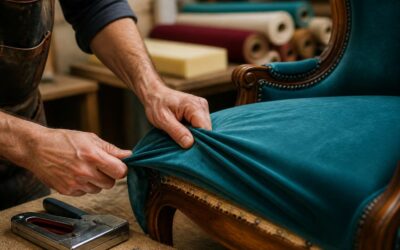
When it comes to sprucing up a tired piece of furniture, the battle of reupholster vs new isn’t just a matter of cost—it’s a matter of personality. Reupholstery unlocks a universe of aesthetic and customization options, allowing you to tailor your furniture to match your unique style. Imagine selecting from a vast palette of fabrics, ranging from plush velvets to rugged tweeds, all at your fingertips. Colors can be bold and daring or subtle and sophisticated, depending on your mood—or the latest interior trend.
Design flexibility becomes an alluring perk, especially when reupholster vs new is examined through the lens of creative freedom. With reupholstery, you can swap out outdated patterns for contemporary designs or preserve vintage charm. To make it even easier, here’s a quick rundown of choices available:
- Fabric textures: leather, linen, velvet, or eco-friendly options
- Color palettes: vibrant hues or muted neutrals for versatile styling
- Styles: tufted, minimalist, Victorian, or eclectic—whatever your heart desires
This level of customization is often limited with new furniture, which tends to adhere strictly to current manufacturing styles and fabric offerings. So, for those who crave design flexibility and a personalized touch, reupholster vs new is a debate worth having—especially when you want your furniture to truly reflect your personality and aesthetic sensibility. It’s about transforming the old into something spectacular, without sacrificing style or control over every detail.
Variety and Style Options in New Furniture – Exploring available styles and customization for new pieces.
In the dim glow of a flickering vintage lamp, there’s an undeniable allure to the world of furniture that whispers tales of bygone eras and hidden stories. When considering the reupholster vs new debate, the aesthetic and customization options of new furniture stand out as a domain of polished perfection. Today’s manufacturers offer a vast array of styles designed to suit every taste, from the stark minimalism of modern lines to the intricate details of Victorian grandeur. The choice of fabric, color, and design can elevate a simple piece into a statement of personality and taste.
New furniture techniques provide a tantalizing range of style options, often preconfigured for quick assembly but surprisingly customizable. For instance, many brands now offer a variety of fabric textures—think supple leather, bohemian linen, or eco-friendly alternatives with a conscience—each ready to transform your space into a sanctuary of your choosing. Colors, too, span a spectrum from daring jewel tones to muted neutrals, allowing you to craft a piece that echoes your soul.
For those seeking ultimate control, some manufacturers present ordered collections with a list of choices, enabling a bespoke experience:
- Fabric choice: velvet, tweed, upholstery leather, or sustainable linen
- Design style: Scandinavian, vintage, contemporary, or eclectic
- Finish and detailing: tufting, piping, or ornate carvings
While reupholster vs new remains a fierce debate, the spectrum of style and customization in new furniture often appeals to those who desire an instant, coordinated aesthetic—an unblemished canvas waiting for their individual stamp. Yet, beneath this veneer lies the promise of discovering an enduring piece that, with the right care, might transcend fleeting trends and become timeless, layered with history and meaning.
Matching Existing Decor – How reupholstery can seamlessly integrate with your current interior design.
Seamlessly blending furniture with existing decor can elevate a space from tired to timeless. Reupholstering offers an elegant solution for those who want their furniture to harmonize effortlessly with their current interior design. By choosing fabrics, colors, and finishes that echo your existing palette and style, your piece can look like it was always part of your home’s story. This flexibility makes reupholster vs new not just a matter of budget, but of preserving and enhancing your aesthetic coherence.
When considering how to match existing decor, reupholstery provides a level of customization that many overlook. You can select from a variety of fabrics—think plush velvets or muted linen—that match your room’s textures and tones. Unique details such as piping or tufting can also be added, ensuring your piece complements, rather than clashes with, your overall design. This tailored approach allows your furniture to remain a natural extension of your space, rather than a standalone statement.
For those aiming to preserve a vintage vibe or integrate contemporary accents, reupholstering offers a personalized touch that new furniture sometimes cannot.
- Reupholster vs new—each has its merits, but the ability to match existing decor often gives reupholstery the edge in maintaining a cohesive look.
Whether blending a retro sofa with modern accessories or restoring a cherished family heirloom, reuphol-stery ensures your furniture remains relevant without sacrificing its history or character. Sometimes, the perfect harmony between old and new is just an upholstery upgrade away.
Environmental Impact and Sustainability
Eco-Friendly Aspects of Reupholstering – Reducing waste and resource consumption through reupholstery.
In a world increasingly conscious of the delicate balance between comfort and conservation, reupholster vs new furniture presents a compelling eco-friendly choice. Reupholstering promises not just a revival of cherished pieces but a profound reduction in waste. When furniture is flippantly discarded, it burdens landfills and depletes valuable resources. By opting for reupholstery, homeowners and businesses in South Africa can minimize this environmental footprint—transforming outdated padding into a fresh statement piece without the need for manufacturing new products.
Consider this: reupholstering a single sofa can save hundreds of kilograms of carbon emissions and countless gallons of water associated with producing new furniture. The process preserves the core structure, which often requires fewer resources and generates less waste. It’s an act of sustainable sophistication—an artisan’s touch that champions eco-conscious living. The reupholster vs new debate often hinges on sustainability, showcasing how thoughtful choices in furniture restoration can significantly impact the environment while elevating interior aesthetics.
Environmental Footprint of New Furniture – Energy use, manufacturing impact, and sustainability considerations.
The environmental footprint of producing new furniture is staggering, often overshadowed by its glossy finish and modern appeal. Manufacturing new pieces demands vast amounts of energy—electricity, fossil fuels, and water—each step from raw material extraction to assembly contributing to a sizeable carbon footprint. South Africa’s furniture industry, like many around the world, consumes resources that could be conserved through more mindful choices.
When considering reupholster vs new, it’s crucial to recognize that reupholstering significantly lessens environmental impact. By refurbishing an existing piece, you avoid the energy-intensive process of manufacturing from scratch. Instead of contributing to deforestation, water depletion, and greenhouse gas emissions, you extend the life of your furniture. This sustainable approach not only preserves natural resources but also encourages a cycle of reuse that diminishes waste—prompting the question: why replace when you can restore?
Reupholstering as a Sustainable Choice – Why reupholstering supports environmental conservation goals.
Choosing between reupholster vs new furniture is not just a matter of aesthetics—it’s a decisive step in advancing environmental conservation goals. Reupholstering existing furniture pieces significantly diminishes their ecological footprint, embodying a sustainable approach that aligns with global efforts to reduce waste and conserve natural resources.
Every time we opt for reupholstering, we actively participate in a cycle of reuse that lessens the demand for new manufacturing. This choice reduces energy consumption linked to raw material extraction, manufacturing, transportation, and disposal. It’s a conscious decision to oppose the relentless cycle of deforestation, water depletion, and greenhouse gas emissions that come with producing new furniture. In essence, reupholster vs new isn’t merely a stylistic choice—it’s a stance on environmental responsibility.
Supporting sustainability through reupholstery not only preserves natural ecosystems but also fosters innovation in design and craftsmanship. By extending the lifespan of quality furniture, we keep valuable resources in use longer, creating a more circular economy. As individuals and businesses become more aware of their ecological impact, reupholstering stands out as a powerful tool for reducing waste and supporting eco-friendly practices.

0 Comments