Leather Upholstery Fundamentals
Leather types and grades (full-grain, top-grain, corrected-grain)
Leather is memory pressed into hide, a living material that ages with character. In South African living rooms, it endures heat, sun, and lively conversations, revealing a patina that feels almost magical. These Leather Upholstery Fundamentals set the tone for enduring beauty and confident craft.
Understanding leather types and grades helps steer a reupholster project with poise. The main options are:
- Full-grain: untouched surface with authentic texture and the best patina, aging gracefully.
- Top-grain: smoother and more uniform, offering easy maintenance and consistent appearance.
- Corrected-grain: finished surfaces with color stability and cost efficiency.
For South African interiors, full-grain delivers authentic texture and aging grace; top-grain offers smooth, versatile surfaces; corrected-grain brings bold color and resilience. If you plan to reupholster couch with leather, the choice shapes character as surely as the stitches themselves.
Leather finishes and textures (aniline, semi-aniline, nubuck, suede)
Leather finishes set the room’s tempo—texture, color, and mood ride on the hide. In South African homes, a leather sofa endures sun and lively conversations, and the patina that forms becomes part of the furniture’s memory. “Leather ages with character”—a reminder that results come with time.
Aniline preserves natural grain and warm undertones; semi-aniline adds protection with a more uniform appearance; nubuck offers buttery softness and a nap that catches light; suede brings a refined, velvety handle. If you plan to reupholster couch with leather, choose the finish that aligns with daily life and cleaning routines.
Finish options at a glance:
- Aniline: natural look, warm undertones.
- Semi-aniline: protective coloring, smoother.
- Nubuck: soft nap, tactile shine.
- Suede: velvety texture, refined feel.
Durability and wear patterns for leather couches
Leather ages with character—a maxim that rings true in South African homes where sun and conversation are part of the furniture’s memory. A well-kept sofa endures seasons, yet patina tells the story of every footprint, spill, and moment of laughter. Durability is less luck and more craft.
Wear patterns reveal how a couch will live with you. High-traffic zones crease and soften, developing glow and depth over time. If you decide to reupholster couch with leather, map where cushions endure weight and sun exposure so the new hide wears in with intention.
- Arms and seat fronts gain patina and creasing.
- Sun-exposed edges fade and soften the color at contact points.
- Pets or daily use can leave minor scratches that ride the grain into character.
Choosing the right leather quality for your lifestyle and budget
Leather upholstery fundamentals start with a reality check: your sofa isn’t a showroom prop, it’s a daily partner. In South African homes, sun and spills leave their marks with pride. The right leather quality should balance appearance, comfort, and budget, so you can reupholster couch with leather without regret—and still have space for coffee-stain anecdotes.
To pick the fit for real life, weigh these essentials:
- Lifestyle and household activity
- Maintenance willingness and cleaning routine
- Sun exposure and heat in your living space
- Long-term value versus upfront cost
In practice, the right leather quality translates to maintenance ease and long-term value; when you reupholster couch with leather, you marry flair with practicality, ensuring your living room stays stylish longer than a passing trend.
Preparation and Planning
Assessing sofa condition and structural integrity
“A sofa is a heartbeat in any room,” as a seasoned craftsman puts it. Preparation and planning turn a simple facelift into a lifelong asset. Before you reupholster couch with leather, map how the space breathes, what gets daily use, and the frame that keeps it upright—because a weak base shadows every stitch.
Assessing sofa condition and structural integrity is where the real work begins. Use this quick checklist:
- Frame and joints: look for cracks or loose screws.
- Springs and webbing: sagging or squeaks indicate replacement needs.
- Upholstery tension: worn seams, stretched fabric, or sagging cushions reveal padding or fabric refresh requirements.
In South Africa’s climate, leather responds to sun and heat; plan for proper conditioning and ventilation. This stage shapes choices about leather finish, color, and hardware. A thoughtful plan ensures you reupholster couch with leather that lasts, even under daily family life and lively gatherings!
Measuring and planning for leather replacement materials
South Africa’s sun doesn’t just illuminate a room—it tests every seam and grain. In SA homes, the sofa bears roughly three hours of daily life, and a thoughtful preparation transforms a facelift into lasting warmth. For those who reupholster couch with leather, measuring space, light, and daily use shapes the gamble of color, finish, and hardware.
- Space rhythm: light and heat patterns that affect leather sheen
- Pattern and grain: aligning cuts for seamless upholstery
- Hardware harmony: legs, trim, and frame proportions
In South Africa’s climate, conditioning and ventilation must be part of the plan—because leather loves to breathe and resist heat waves. This stage guides choices in finish and color, ensuring the reupholster project remains durable through family life and lively gatherings.
Budgeting and cost estimation (materials, tools, labor)
South Africa’s living rooms deserve drama and durability. A leather sofa anchors a home like a heartbeat, and the path to a successful facelift starts with preparation. “Leather ages like a story—read the room, plan the budget, and the rest follows,” an experienced upholsterer notes, as if the room itself leans in.
Budgeting hinges on three pillars: materials, tools, and labor. If you decide to reupholster couch with leather, leather grade, seat count, and finish steer the price. A lean outline keeps expectations honest:
- Materials: leather, backing, dyes
- Tools: essential hardware and sewing supplies
- Labor: skilled hours and setup
Delivery, waste and contingencies can alter the bottom line. SA climates demand ventilation and care planning; budget for conditioning and future maintenance to protect that investment.
DIY vs. professional reupholstery: pros, cons, and decision factors
South Africa’s sun-drenched lounges deserve a focal point that refuses to fade. “Leather ages like a story—read the room, plan the budget, and the rest follows,” says a veteran upholsterer. I’ve learned that a thoughtful plan turns a tired sofa into a lasting centerpiece, ready for slow living and lively gatherings.
From my bench, DIY vs. professional reupholstery presents pros, cons, and decision factors. DIY rewards patience and a personal touch but tests your space, time, and stitching nerves; professional work yields seamless seams, durable fit, and a finish backed by warranty—at a cost. Here are guiding factors:
- Time and space to work safely
- Skill level and finish you expect
- Budget and potential waste or contingencies
For many South Africans, climate-aware care shapes the choice; ventilation, humidity, and eventual maintenance walk hand in hand with any project. The decision to reupholster couch with leather hinges on how you live, what you value in texture, and how the sofa ages with you.
Steps in Reupholstering with Leather
Stripping old upholstery and inspecting the frame
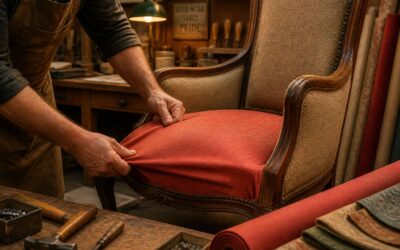
Calling a worn couch back to life is like inviting a familiar character to a new chapter. I find the magic begins when you reupholster couch with leather, restoring elegance with lasting comfort.
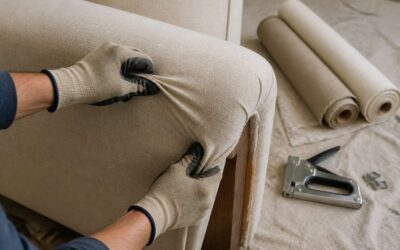
Strip away the old fabric and padding with careful hands, taking care to preserve the frame. Then, inspect every joint and rail for looseness or damage—a quiet audit that saves future headaches in a Cape Town workshop or your own studio.
- Strip away old upholstery, remove staples, and save the frame.
- Inspect the frame, tighten joints, and assess springs and support.
- Plan the leather layering, cut pieces, and prepare for final fitting.
With patience, the result is a couch that whispers of craft and durability.
Frame reinforcement and repair essentials
Steps in reupholstering with leather require a quiet, craftsman’s rhythm. To reupholster couch with leather is to honor its lineage while inviting lasting comfort that ages with grace. In South Africa, the rhythm carries a warm, sunlit patience—begin with a frame that speaks of stories, then cradle it with intention, letting every detail breathe—suddenly the room gathers the scent of cedar, polish, and patience!
- Frame integrity and joint reinforcement
- Spring and webbing support systems
- Rails, corners, and adhesives for long-lasting stability
With the backbone stabilized, leather panels find a respectful stance—edges align, seams vanish, and the piece exudes a sculpted calm. The aim is not merely beauty but a durable dialogue between hand, hide, and time.
Pattern making, leather cutting, and seam allowances
Leather ages with quiet authority, like a well-kept South African mantle clock! A sharp project begins with pattern making—an artful map of panels that honors grain, stretch, and how cushions breathe. When you reupholster couch with leather, you invite a conversation between hand and hide, a ritual where the frame, the seam lines, and the patina of time align to tell a longer story.
- Pattern making: Create templates from the frame, tracing seat and back panels with grain-aware alignment and crisp seam lines.
- Leather cutting: Transfer patterns to hide with precision, maintaining grain direction and careful allowances for future movement.
- Seam allowances: Add uniform allowances (about 6–9 mm) to ensure tidy joins and resilient edges.
Done well, the result is a silhouette that breathes—edges meet cleanly and the leather’s patina begins to converse with light. A refined dialogue that ages with grace.
Installing leather, stitching seams, and finishing touches
Leather has a way of aging with quiet authority, a presence that suits South Africa’s sunlit rooms. If you choose to reupholster couch with leather, you invite a conversation between hand and hide—the frame, the seam lines, and the patina of time aligning to tell a longer story.
Steps stay practical and unpretentious: a considered plan for leather installation, careful seam work, and finishing touches that seal the deal.
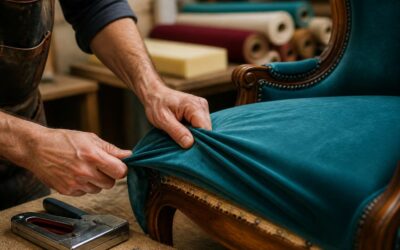
- Installing leather: align grain with the frame, position the hide, and secure for even tension.
- Stitching seams: join panels with durable thread, maintaining crisp, straight lines.
- Finishing touches: trim edges, apply edge sealant, and condition to welcome daily use.
A well-executed sequence yields a silhouette that breathes and patinas beautifully, ready to age with grace in your living space.
Maintenance, Repairs, and Longevity
Cleaning and conditioning leather to extend life
In my workshop, leather remembers the seasons—and so do those of us who tend to it. In South Africa, a sunlit lounge is a patient test of care: a couch that ages gracefully speaks of evenings shared and small acts of upkeep. Leather’s resilience grows from attention, not luck.
Maintenance hinges on gentle cleaning and conditioning, not heavy-handed routines. I’ve learned that when you reupholster couch with leather, the payoff shows in supple grain and steady seams, even after years of sun and foot traffic. A mindful approach keeps the patina rich rather than brittle.
Consider these broad factors shaping longevity:
- Light and sun exposure shaping color
- Humidity and leather’s natural oils
- Regular use and seating patterns
This is the quiet art of longevity, the way care keeps a living room’s memory intact and inviting for the next season.
Preventative care to avoid cracking and fading
In South Africa’s sunlit lounges, longevity isn’t luck—it’s deliberate care. Leather remembers the seasons, not just the weather. When you reupholster couch with leather, a conversation between craft and time unfolds; patina becomes a quiet, luxurious archive of gatherings, footfalls, and whispered goodnights.
Preventative care keeps cracks and fading at bay. Preventative steps include:
- Shield from harsh sun with curtains and strategic lighting.
- Clean and condition on schedule to balance essential oils.
- Monitor humidity and temperature to avoid grain drying and seam stress.
Repairs, when timely, preserve comfort and character. A small stitch or seam reinforcement stops minor issues from widening, while regular reassessment guards the couch against the sly work of time. Longevity grows from patient attention, a belief that good leather wears with grace, season after season.
Common leather repairs and safe DIY solutions
Maintenance is the quiet covenant that keeps leather from cracking into memory. In sunlit South African lounges, small fissures retreat when routine care is kept—dusting, conditioning on schedule, and climate steady—allowing the hide to remember long nights of laughter rather than fear.
Repairs, prompt yet patient, preserve comfort and character. Common issues include minor seam creep, surface scuffs, and edge wear. Safe DIY solutions favor surface care: gentle cleaning, balanced oils, and discreet, color-matched touch-ups—while deeper flaws deserve professional hands. To reupholster couch with leather is to honor the patina rather than mask it.
Longevity blooms from discipline: regular reassessment, gentle use, and a respect for leather’s evolving story. A well-loved couch becomes a living archive of gatherings, footfalls, and whispered goodnights.
Long-term care plans and storage considerations
A leather couch is more than furniture; it’s a quiet ledger of gatherings. Industry data suggests that routine conditioning can extend leather life by up to 30%, a fact that resonates in sunlit South African lounges where the light tests both patina and patience.
Maintenance isn’t a chore, it’s a pact. Repairs, when timely and thoughtful, preserve comfort and character. When you reupholster couch with leather, the patina is honored rather than erased. Long-term care plans hinge on a steady climate, periodic checks of seams and frames, and storage considerations that keep the hide away from harsh sun and damp.
Longevity blooms from discipline: a living archive of gatherings and whispers of goodnights. With consistent care, the couch remains resilient, aging with its owners and welcoming the next chapter of memory.

0 Comments