Cost Overview and Price Ranges for Dining Chair Reupholstery
Average price ranges by chair type
Cost to reupholster dining chair is more than fabric; it’s a revival of silhouette and memory. In South Africa, 60% of homeowners report prioritising upholstery upgrades over full replacements, a testament to how a fresh cover can stretch a room’s mood. Factors like fabric choice, foam, and the complexity of the frame shape shape the price as much as the craft itself.
Here are typical ranges you might see for common dining-chair types in SA.
- Armless dining chairs: R1,400–R2,800
- Backed dining chairs with simple frames: R2,000–R3,800
- Ornate or carved frames: R3,500–R7,000
- Premium materials (leather, velvet): R4,000–R9,000
Key cost drivers: fabric, padding, and labor
Fresh fabric can rewrite a room’s memory faster than a repaint, and the cost to reupholster dining chair carries that magic in its price tag. In South Africa, skilled upholsterers blend local materials with time-tested techniques to revive silhouettes—often cheaper and more characterful than a full replacement. Each project unfolds like a tiny story of fabric, foam, and craft, where mood and durability walk hand in hand.
- Fabric choice: durability, texture, and price vary widely
- Padding and foam: density and thickness affect comfort
- Labor and frame complexity: time, skill, and intricate silhouettes
A final note: beyond the essentials, the number of chairs and the craftsmanship decide the quote. A simple armless seat stays friendlier on the budget than a carved, ornate frame—yet both can shimmer with the right material. The cost to reupholster dining chair hinges on fabric, foam, and labour, guiding your room’s mood with every stitch.
Hidden and optional costs to budget for
From the dim corner to the dining table, the cost to reupholster dining chair is a whisper of possibility. In South Africa, skilled hands fuse local fabrics with time-honed craft, shaping silhouettes while the ledger hums with fabric, foam, and labour—the dark heartbeat of transformation.
Cost overview hinges on the quiet triad—fabric durability, padding density, and labour time—yet the number also breathes with echoes of the chair’s frame. The cost to reupholster dining chair can land in wide bands, shaped by material and finish.
- Fabric waste and pattern matching
- Frame repair or reinforcement
- Transport and disposal charges
As shadows gather, you’ll see the true price is less a figure than a mood. In SA, the number of chairs and the craft decide the final sum.
Regional price differences and market trends
From Cape Town’s sea-salt air to Johannesburg’s urban light, the cost to reupholster dining chair unfurls as a mood more than a fixed figure. In SA, price overview rides on fabric choices, padding feel, and the chair’s frame temper, with finishes and detailing tipping the ledger toward character.
Regional price differences are shaped by three forces: city demand, transport reach, and fabric availability.
- Urban centres tend to command higher rates but deliver quicker turnaround.
- Rural areas often offer gentler quotes with longer lead times.
- Local mills can trim costs when stock is reliable, while imports push the price up.
Market trends drift toward durable, locally produced fabrics and timeless finishes that extend chair life. In SA, coastal markets carry slightly higher pricing due to logistics, while inland towns reflect steadier motion as demand migrates toward sustainable choices.
Materials and Fabric Options that Impact Cost
Fabric types and their price ranges (durability vs cost)
Material is a moral choice as much as a practical one. Understanding the cost to reupholster dining chair begins with how fabric behaves under sun and spill. In South Africa, the economics of fabric matter as much as the craft. The right fabric balances durability, care, and budget, shaping whether a chair wears well for years or needs another visit from the upholsterer. I’ve learned that the unseen thread of a chair’s story is the fabric’s resilience.
- Polyester or polyester blends — budget-friendly, easy to clean, decent durability.
- Cotton, linen, or rayon blends — natural feel with moderate cost and better breathability.
- Leather and high-end faux leather — premium durability, higher upfront cost but long life.
Durability vs cost continues: heavier weaves, UV resistance, and stain performance push the price upward, but they also lower maintenance and replacement costs over time.
Padding, foam, and padding density effects on price
Padding is the quiet engine of a dining chair’s comfort and longevity—an unseen force that can surprise you! In the workshop, the choice of foam density and layering can transform a seat from a soft sigh to a stubborn squeak. The cost to reupholster dining chair hinges on these hidden depths.
- Low-density foam (around 20–25 kg/m3): affordable, but fades and flattens quickly, increasing replacement costs later.
- High-density foam (40–60 kg/m3): firmer, retains shape, longer life, higher upfront price but lower long-term maintenance.
- Mixed layering or memory/latex toppers: adds contour and comfort with a further premium in price.
In SA, padding choices meet budget realities and storage constraints, shaping durability as much as aesthetics. A carefully chosen density shields upholstery from sagging and helps the chair tell a coherent story through years of sun and spill.
Trim, stitching, and hardware costs
Materials and fabric options are the quiet engines behind the price, steering the cost to reupholster dining chair in unexpected directions. In South Africa, trim finishes, fabric weight, and hardware shape the bottom line—often more than the foam under the seat. As one upholsterer quips, ‘texture is happiness you can sit on,’ and the right fabric can lift the bill or keep it honest.
- Fabric types and price bands (durable synthetics, natural fibers, leather)
- Trim details (piping, welting, nailheads) and their impact on cost
- Stitching styles (topstitching, box corners, French seams) and labor time
- Hardware finishes (leg caps, studs, zippers, buttons) that affect durability and price
In SA markets, that trio—fabric choice, trim, and hardware—tells the value story. The right balance yields chairs that look sharp and last through sun, spills, and family dinners.
Sustainability options and their impact on price
In the South African upholstery forge, materials are the quiet engines behind price and longevity. A fabric’s life, weight, and finish can swing the cost to reupholster dining chair in surprising directions, especially under the blaze of sun and the chorus of spills.
Sustainability options that balance ethics with budget include:
- Recycled-content fabrics such as post-consumer polyester
- Natural fibers from responsibly managed sources (cotton, linen, hemp)
- Leather or vegan alternatives with low-VOC coatings
Each choice echoes through the price, influenced by sourcing, processing, and dye methods. Local SA mills and dyes can modestly reduce freight, keeping sustainability practical.
In SA, the fabric landscape becomes a mythic theatre where sun, family life, and durability duel for your chair’s soul—the right material becoming both shield and story, without breaking the budget.
DIY vs Professional Reupholstery: Cost, Time, and Value
DIY cost breakdown: tools, materials, and time
In South Africa, almost half of homeowners who refurb chairs try DIY at least once, chasing savings. The cost to reupholster dining chair isn’t only the upfront price—it depends on time, finish quality, and how long the fabric lasts.
DIY can trim labor and materials, but it tests your patience. Pro reupholstery delivers precision stitching and a durable finish, often worth the higher price for long-term value.
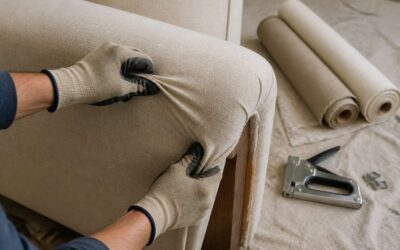
- Tools: staple gun, scissors
- Materials: fabric, foam, thread
- Time: hours plus drying
Choosing between DIY and professional work comes down to risk tolerance, finish expectations, and how much time a single chair can reasonably command in a busy South African home.
Professional pricing structures and quotes
In South Africa, almost half of homeowners who refurb chairs try DIY at least once. The cost to reupholster dining chair isn’t just fabric; it’s time, finish quality, and lasting wear. DIY can save on materials and skip tradespeople, but precision matters—and so does drying time and fit on tricky chairs.
Professional reupholstery uses transparent pricing structures and formal quotes. Pricing often comes as per-chair fees, hourly rates, or fixed package deals, sometimes with a minimum charge. Key drivers remain fabric type, padding density, and finish quality.
- Fixed per-chair quotes
- Hourly labor rates
- Minimum service charges
Quotes reflect chair complexity and turnaround.
Time investment and project scheduling
In a bustling South African dining room, the decision to DIY or hire a pro hinges on more than fabric: time, finish, and lasting wear. The cost to reupholster dining chair isn’t just the fabric; it’s hours spent measuring, cutting, and letting glue set. DIY may shave material costs, but precision—and drying time—often erode those savings on stiff, oddly shaped frames.
Professional reupholstery delivers scheduling clarity and transparent quotes—per-chair, hourly, or fixed packages—so project timelines can align with family life! A well-timed session yields not only a refreshed look but real value when chairs endure daily use; the clock, after all, is a lasting asset. Consider these time checkpoints:
- Materials selection and ordering
- Fabric cutting and fitting
- Drying and on-chair curing
When to DIY vs hire a pro: decision guide
In South Africa, I see the dining chair carry more than cushions—it carries time and heart around the table. The cost to reupholster dining chair isn’t just the fabric; it’s hours spent measuring, cutting, and letting glue cure. DIY can trim material costs, yet precision and drying times often erase those savings on stiff, oddly shaped frames. Professional reupholstery delivers scheduling clarity and transparent quotes—per-chair, hourly, or fixed packages—so family life can keep moving. A refreshed chair becomes more than a look; it’s a commitment to daily wear and finish!
- Simple, straight-backed frames with standard fabric
- Irregular shapes or high-use settings
- Limited drying space or tight calendars
Ultimately, value is the alignment of time, finish, and daily life—care today, wear tomorrow!
Planning and Working with Upholstery Professionals
How to compare quotes and ask the right questions
Budget-conscious South Africans know a dining-room refresh can cost less than a full kitchen overhaul. The trick is planning ahead and knowing what to ask before you sign. Start by defining goals, measuring each chair, and collecting swatches. Understanding the cost to reupholster dining chair helps you set a realistic plan and avoid surprise charges down the line.
Working with upholstery professionals means clear quotes and honest timelines. Compare estimates side by side, and ask what’s included, what fabrics are available, and how long the project will take. Request durability ratings, warranty details, and who covers removal, delivery, and any hidden costs. To keep the process smooth, consider this quick checklist:
- Total price, including materials, labour, trims, and disposal.
- Fabric catalog, durability, and fabric swatches.
- Pricing structure (per chair or per project) and any minimums.
- Lead time and scheduling flexibility.
- Warranty, post-service support, and conditions for adjustments.
With these specifics in hand, conversations stay focused on value and timelines rather than guesswork.
What to look for in an upholsterer: portfolio, references, warranty
In South Africa, savvy homeowners report saving up to 20% by hiring the right upholsterer first—a spine-tingling reminder that planning today prevents haunting surprises tomorrow.
What to look for in an upholsterer is simple honesty: a portfolio, references, and a warranty that stands up to wear.
- Portfolio of dining-chair work that matches your style
- References from local clients you can contact
- Clear warranty and terms for post-service support
Beyond that, discuss the cost to reupholster dining chair; ask for an itemized quote, lead times, and who handles removal and delivery—transparency saves both time and nerves.
A touch of that macabre charm settles in when the room breathes anew, without drama, after the last stitch.
Sourcing fabrics and foam: where to buy and what to budget
A sharp plan outplays a last-minute dash to fabric and foam. In South Africa, savvy homeowners report saving up to 20% by aligning with the right upholsterer from day one—less drama, more harmony when the dining chair returns to life. The cost to reupholster dining chair becomes a straightforward line item.
Planning with pros means smart sourcing of fabrics and foam. Where to buy and what to budget:
- South African fabric outlets and upholstery shops (brick-and-mortar and showrooms)
- Online SA retailers and direct-from-manufacturer sites (order swatches)
- Foam distributors and upholstery wholesalers (density options)
Ask for an itemized quote and clarify who handles removal and delivery. It’s money well spent to keep the project transparent and on schedule.
Lead times, project timeline, and scheduling tips
A brisk, well-planned upholstery timeline keeps the project moving and the budget sane. In SA, savvy homeowners report saving up to 20% by aligning with the right upholsterer from day one, reducing back-and-forth and costly changes. This early coordination helps manage the cost to reupholster dining chair with precision.
Lead times hinge on fabric availability, foam deliveries, and the upholsterer’s current workload. Request a written timeline that marks start dates, milestones, and a delivery window. Scheduling tips below help you stay in sync with trades and avoid delays that inflate costs:
- Agree on a concrete start date and a final delivery window
- Clarify whether removal and delivery are included in the quote
- Build a small buffer for fabric order delays or courier hiccups
Cost-saving strategies: bulk fabric, off-season discounts, and upholstery sales
Bold planning turns the cost to reupholster dining chair from a storm into a steady tide. Across South Africa, savvy homeowners discover that aligning with the right upholsterer from day one cuts back-and-forth and costly changes. The cost to reupholster dining chair becomes a chorus you can hum with clarity rather than worry.
Partnering with professionals is a duet of craft and clock. A written timeline and clear inclusions anchor the collaboration, and a gentle buffer for delays is often part of the rhythm. Cost-saving strategies—bulk fabric, off-season discounts, and upholstery sales—shape the bottom line with quiet, practical grace.
In a market where sunshine and steel share the horizon, patience pays. When plans stay in tune and options are weighed with care, beauty and durability flourish without exhausting the purse.

0 Comments