Choosing Fabric and Materials for Chair Refresh
Fabric types suitable for chairs
Chairs tell stories; the fabric that covers them writes the next chapter. In South Africa, many homes refresh living spaces within five years, and the right fabric can make or break that mood. For chair reupholstery, texture, durability and color must dance together to revive character and comfort.
Choosing fabric and materials is a balance of function and flair. Here are common choices that work well in SA homes:
- Genuine leather or top-grain hides for durability
- Performance microfiber that cleans easily
- Heavy-duty cotton or linen blends for breathability
- Velvet or chenille for color and depth
Consider climate, sunlight, and lifestyle. Durable finishes protect the chair reupholstery from fading, while easy-care fabrics keep spaces inviting in busy households across the country.
Durability and maintenance factors
In SA, homes refresh living spaces every five years, a rhythm that makes fabric choice feel urgent. For chair reupholstery, durability and maintenance factors guide this balance, steering you toward finishes and fibers that shrug off sun and spill with quiet grace.
Consider these touchpoints:
- UV fade protection for sunny South African lounges
- Stain resistance and easy cleanup for busy homes
- Restful surface durability to withstand daily use
- Maintenance cadence that fits your lifestyle and cleaning routines
Pair the choice with climate-aware finishes and you extend life without sacrificing comfort. Thoughtful selection yields colour and texture that age gracefully under SA light, preserving character in open-plan living rooms and dining spaces alike.
Color, pattern, and texture considerations
Color is memory you wear, and in SA light that memory mutates with the day. In chair reupholstery, the first note is how color behaves under sun and shade, from the glare on a seaside lounge to the dusk of an open-plan dining zone. I seek hues that age gracefully, resisting fade while keeping the room’s character intact. The choice that follows invites quiet, not shouting, at every refresh.
Within color, pattern, and texture, these considerations become a compass for chair reupholstery:
- Color: warm neutrals soften glare or bold hues echo SA sunsets; ensure shade remains pleasing as light shifts.
- Pattern: scale matters; small chairs suit tight patterns, large pieces deserve expansive motifs to avoid discord.
- Texture: invite touch; lineny weaves or velvet-like surfaces offer comfort in SA climates.
Choosing with intent in chair reupholstery preserves the room’s aura in open-plan spaces and dining corners alike.
Budgeting for fabric and supplies
South African homes hear the whisper of a great chair. A well-chosen update can turn a worn silhouette into a renewed hero of the dining room. In SA living rooms, chair reupholstery breathes new life into a seasoned seat, as dawn stitches gold into old linen.
Budgeting begins with honest reckonings of ingredients: fabric, foam, padding, and the necessary hardware. To guide the sum, consider the following essentials:
- Fabric and foam pricing
- Underlay and padding choices
- Hardware like tacks, webbing, and staples
- Quality thread, adhesive, and basic tools
- Labour and turnaround time
Choosing with care keeps the room’s aura intact while staying within reach of a sensible budget. Local materials and measured orders honor SA’s climate and service culture, ensuring the final piece remains a story you tell at gatherings, long after the last plate is cleared.
Sourcing reputable suppliers
Across South Africa, a well-chosen update can lift a room’s mood as reliably as a sunrise over the savannah. A refreshed dining chair whispers stories of gatherings and lingering laughter, turning a worn silhouette into a renewed hero of the dining room. In the realm of chair reupholstery, choosing fabric and materials is a quest—not merely a purchase. Sourcing reputable suppliers is the compass that keeps the journey true.
Seek partners who understand SA’s climate and craft, with traceable origins, durable foams, and responsibly dyed fabrics. For chair reupholstery, the right supplier links colour, texture, and thread into a seamless, enduring surface.
- Established South African fabric houses with transparent sourcing
- Local foam and padding specialists offering durable options
- Hardware suppliers with clear warranties and quality trims
From coastal towns to inland studios, shorter supply chains mean quicker turnarounds and fewer surprises when the last stitch is set. The result is a chair that ages with grace, telling stories at gatherings long after the last plate is cleared.
Reupholstery Process: Step-by-Step Guide
Assessing chair structure and repairs needed
Across South Africa, a single well-tended chair can anchor a room’s memory. “A chair is a memory you can sit on,” as a seasoned SA master upholsterer once phrased it. This is the heart of chair reupholstery, a careful conversation between frame and fabric that speaks louder than any new purchase.
Before fabric meets light, three quiet audits set the tempo:
- Assess the chair’s frame for wobble or cracks and reinforce as needed.
- Inspect springs and webbing for fatigue, replacing or retensioning where necessary.
- Strip the old fabric, refresh padding, and prepare a clean, supportive base for the new cover.
With the frame snug and the cushions nourished, the chosen fabric finds its voice—sewing, tacking, and trimming become a quiet sonnet of return. The result? A revived seat whose charm travels beyond a single room and into the life of a home in South Africa.
Selecting padding and foam options
Across South Africa, a chair that fits your daily rhythm can feel like a small miracle. The chair reupholstery journey begins by listening to how you sit—where you lean, how long you stay, and how much support you truly need—and then selecting padding that supports those habits. Options range from firm high-density foam to plush feather wraps, each delivering a different balance of bounce, resilience, and long-term comfort.
- Assess how you use the chair to guide core density and height.
- Choose foam thickness and density for daily comfort and resilience.
- Consider an inner wrap of feather or fiber for loft.
- Plan precise cutting and edge finishing for a clean, lasting look.
With padding chosen and the cover ready, chair reupholstery becomes a quiet act of restoration—practical, precise, and deeply personal, a seat that travels with a home.
Removing old fabric and fabric disposal
“A chair reupholstery is a patient art,” murmurs a seasoned upholsterer, and the room braces for quiet transformation. Removing old fabric is memory in motion—the seat that kept us company, the faded pattern, the stubborn crease—while staples yield and the cover loosens its grip. The first step is to honor what was while preparing what will be.
- Old staples are pried free with a staple remover, keeping each fabric panel intact for reference.
- Fabric panels are detached in manageable sections, with buttons and trim set aside for possible reuse.
- Disposal is handled responsibly—fabric waste is separated from foam and trims, recycled where possible, in line with local SA guidelines.
With the fabric removed, the chair reveals its bones—the frame, joints, and springs—ready for assessment and the next phase, a quiet, hopeful restoration.
Cutting and sewing new fabric patterns
In the quiet theatre of a workshop, a single chair becomes a stage for transformation. ‘Chair reupholstery’ is a patient flirtation with fabric, as a veteran craftsman likes to murmur. The magic begins with pattern planning: tracing lines that mirror the chair’s curves and guarding balance. Cutting and sewing new fabric patterns becomes the art of translating memory into a fresh silhouette, where every seam earns its keep and each panel has a moment in the spotlight.
- Pattern planning and tracing
- Cutting with grain and matching
- Stitching panels for a balanced fit
The result is more than a cover; it is a renewed conversation with the room, a testament to chair reupholstery as a craft that outlives trends. In South Africa, well-made chairs quietly shape living rooms and boardrooms alike, inviting conversation and keeping the upholstery story alive.
Final fitting and staple techniques
From a well-worn armchair to a lasting statement, chair reupholstery is a quiet drama of renewal. In South Africa, a thoughtfully revived piece can outlive trends, quietly elevating living rooms and boardrooms with renewed dignity.
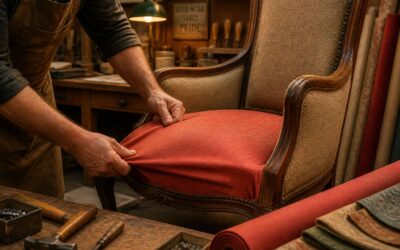
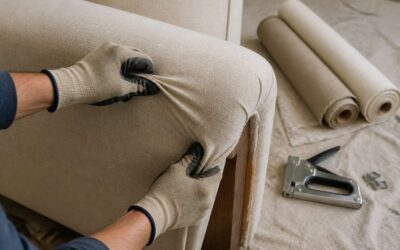
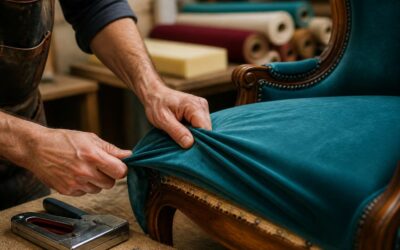
The final fitting is where fabric meets memory, and the chair reupholstery craft reveals its personality. Gentle tension, clean seams, and a respectful echo of the chair’s silhouette give the piece its second life.
During final fitting, the team checks every edge and corner to ensure a balanced finish.
- Consistent fabric tension across panels
- Accurate alignment of seams with curves
- Even staple distribution for a crisp edge
The result is more than fabric and thread; it is a conversation reimagined, a lesson in restraint and precision that speaks to modern South African interiors with quiet authority.
Quality checks and finishing touches
In South Africa, chair reupholstery is a quiet act of renewal that outlives trends and memory outlives stitches. A restored chair carries more than fabric; it holds a chapter of a room, a personal conversation between wood, foam, and cloth, quietly rewriting its story.
Reupholstery Process: Step-by-Step Guide and Quality Checks unfold in a disciplined rhythm:
- Inspect the frame and core supports for stability and even spring tension.
- Lay out fabric along the chair’s lines, marking the pattern with care.
- Attach with consistent tension, clean seams, and precise edge alignment.
- Perform a final inspection for fit, fall, and finishing touches.
Quality checks and finishing touches ensure the piece speaks with quiet authority in modern South African interiors, turning a functional chair into a thoughtful, everyday sculpture.
Chairs by Type: DIY vs Professional Reupholstery Challenges
Dining chairs and stools
Chairs by Type: DIY vs Professional Reupholstery Challenges—Dining chairs and stools shape a room’s heartbeat. In South Africa, chair reupholstery blends patience with fabric taste. “The frame speaks softly; the fabric shouts,” a veteran upholsterer notes, and balance matters more than bravado.
DIY enthusiasts wrestle with essentials, especially when dining chairs and stools demand grace and grit.
- Fabric tension and staple alignment on curves
- Padding deterioration that affects seat depth
- Reattaching legs without stressing the frame
Professionals interpret frame integrity, springs or webbing, and leg squaring with calm expertise, keeping dining sets durable under daily use. For clients, reupholstery becomes a quiet act of reinvention.
Whether you choose DIY or a pro, the goal remains renewal—comfort without surrendering character, letting shared meals tell a richer story.
Wingback and armchairs
Wingback and armchairs carry a room’s memory, and chair reupholstery is a test of patience as much as craft. In South Africa’s studios, the fabric’s whisper comes after the dust settles—bold, balanced, and never shouty. I watch a curve yield to a careful hand and feel the chair tell its story anew.
DIY enthusiasts wrestle with gravity and precise seam work on high backs; a stray cut can ripple along the arm. Professionals begin with the frame: joints, springs or webbing, leg squaring, and a fresh layer of padding that preserves seat depth and comfort. The outcome is durable, quietly confident.
The result is a quiet invitation to slower meals and lingering conversations, where form supports function and memory stays in tune.
Desk and office chairs
“A chair is a memory you can sit in,” a South African craftsman likes to say. In a sunlit workshop, desk and office chairs live a second life through chair reupholstery that feels easy on the eye but demands patience and care.
DIYers chase neat lines and even tension, while the clock ticks and grain fights gravity on tall backs. By contrast, professionals start with the chair’s backbone—an assessment of structure, balance and ergonomics—before a careful renewal of padding and support that keeps seats comfortable for years.
- DIY challenges: fabric waste, misaligned seams, and time pressure
- Pro challenges: preserving height, balance, and long-lasting stitch quality
Desk and office chairs bear the weight of daily life, inviting slower meals and long work hours with comfort intact and memory kept alive.
Outdoor chairs and weather considerations
Outdoor chairs endure sun, rain, and wind long before your next braai becomes a memory. In our workshop, the saying rings true: “A chair carries a lifetime of weather.” When it comes to chair reupholstery, DIYers chase neat seams, but pros begin by weighing the chair’s backbone—structure, balance, and ergonomics—before any fabric slips into place.
Outdoor chair care hinges on weatherproof choices and thoughtful assembly. Consider these realities before you begin:
- UV-resistant fabrics and fade control
- Water resistance, mold, and mildew avoidance
- Rust-proof fasteners and treated frames
- Proper drainage and cushion ventilation
From the stoep to the braai area, outdoor seating is a daily companion. In the end, matching form to function—whether you DIY or hire a pro—ensures seats stay comfortable after years of sun and rain.
Cost, Value, and ROI of Chair Upholstery
Pricing components explained
In South Africa, a well-timed chair reupholstery job can transform a room and lift perceived value by up to 15%. Cost isn’t a single number; it blends fabric quality, padding, repairs, and finishing. Understanding pricing components helps you see where value begins and how ROI accrues over years.
To demystify the price, consider these core components:
- Materials and fabric costs
- Labor and time
- Repairs and structural work
- Finishing and fittings
- Waste and disposal
Beyond the initial spend, the enduring value lies in comfort, aesthetics, and longevity. The right upholstery makes the chair feel new again, a subtle enchantment that lasts years and reduces replacement cycles. ROI isn’t just saved cash—it’s a better-lit, better-functioning space that tells your story with quiet authority.
Typical costs by chair type
In South Africa, chair reupholstery is a quiet magic that can lift a room’s value by up to 15%. Cost isn’t a single figure—it blends fabric, padding, repairs, and finishing. Understanding these components reveals where value begins and how ROI accrues over years.
Typical costs by chair type vary widely, but the pattern is clear:
- Compact seating: R600–R1 200
- High-back wing chairs: R1 500–R3 500
- Ergonomic desk chairs: R1 200–R2 600
- Weather-ready outdoor seating: R1 000–R1 800
Beyond the upfront spend, ROI rests in comfort, longevity, and atmosphere—an enduring glow that makes a room feel refreshed for years. The right upholstery is a quiet enchantment, turning worn fabric into a renewed silhouette and guiding the eye with confident ease.
Budget planning and cost-saving tips
In South Africa’s sun-kissed spaces, chair reupholstery is a quiet meteor of style—a single fabric solution that can lift a room’s value by up to 15%.
A well-planned budget keeps the magic affordable, because cost is not a single figure; it blends fabric, padding, repairs, and finishing—the four sisters of value. Budget planning rides on these levers, each nudging longevity and impression.
- Material lifespan and upkeep
- Scope of repairs and frame integrity
- Vendor reputation and finishing quality
ROI is more than price; it’s comfort, longevity, and atmosphere—an enduring glow that sustains a refreshed room for years. The right upholstery acts as a quiet enchantment, turning worn fabric into renewed silhouette and guiding the eye with confident ease!
When to replace vs reupholster
Costing for chair reupholstery is a delicate equation: fabric, padding, repairs, finishing—the four threads that weave value. In South Africa’s sun-kissed spaces, a refreshed chair can lift a room’s value by up to 15%. The payoff isn’t only a refreshed look; it’s comfort and longevity that keep a beloved chair in play for years. A well-planned project preserves character while elevating room ambience and resale appeal, proving ROI is as much about feel as finance.
Here are signals to guide the decision:
- Fabric wear beyond repair
- Frame cracks or looseness
- Ergonomic or comfort issues
Ultimately, chair reupholstery offers a softer cost curve: sound frames and refined fabric deliver renewed silhouette, a measurable boost to atmosphere, and a ROI that resonates beyond the price tag. When the structure is solid, chair reupholstery turns a tired piece into a lasting focal point.
Insurance and warranties implications
In South Africa’s sunlit spaces, a well-done chair reupholstery can lift a room’s value by up to 15%. But the cost isn’t just fabric—it’s a four-thread equation: fabric, padding, repairs, finishing. Insurance and warranties add a safety net, smoothing the climb from makeover to long-term asset.
Value goes beyond aesthetics. You preserve character, comfort, and longevity—and you dodge the landfill. A well-kept piece can maintain resale appeal and even earn loyalty from insurers who see responsible stewardship.
- Warranty considerations: professional installation, approved fabrics, and keep documentation.
- Insurance implications: record alterations, keep receipts, and understand coverage for accidental damage or loss.
ROI translates to more than numbers; it’s a refined silhouette and a softer cost curve. When the frame is solid, chair reupholstery yields a durable focal point that elevates room ambience and preserves value—often with the added perk of smoother service life and potential insurance perks.
Care, Maintenance, and Longevity of Upholstered Chairs
Daily care and stain prevention
A telling stat travels through upholstery shops: nearly 70% of fabric wear comes from spills, sun, and everyday neglect rather than the stitching. This truth reverberates in chair reupholstery, reminding us that beauty is a fragile promise kept by routine care, especially under South Africa’s fierce sun.
Daily care and stain prevention hinge on restraint and observation rather than brute effort. A softly managed ethos—small, mindful decisions about spills, cushion wear, and cleaners—keeps color and texture honest, rather than faded or creased.
- Sunlight and ultraviolet exposure common in SA homes
- Humidity and airflow affecting fabric fibers
- Spill management and fabric finish compatibility
- Regular professional checks for seam stress and cushion integrity
Longevity emerges where light, air, and attention meet. With careful placement and durable finishes, upholstered chairs endure beyond trend, bearing witness to a craftsman’s patience in a country of dramatic climates!
Materials-specific cleaning guides
In South Africa, nearly 70% of fabric wear comes from spills and sun rather than stitched seams, and I’ve found that true elegance in chair reupholstery is born of restraint as much as craft. Care, not bravado, preserves color and texture through years of light, heat, and daily use. Longevity blooms where rooms breathe freely and fabrics are treated with quiet reverence, turning a chair into a keepsake rather than a trend!
Materials speak in different languages; here are concise, non-technical notes to guide care across textures and finishes:
- Leather and faux leather: minimal moisture, gentle wiping, and professional care for stains.
- Cotton, linen, and natural blends: spot clean with care and avoid saturating fibers.
- Synthetic blends and performance fabrics: resilient to wear but still sensitive to sun and heat over time.
Protective coatings and finishes
Sun and spills quietly win the battle for your chair’s color and texture. In South Africa, roughly 70% of fabric wear traces to light and accidents, not seams. True elegance in chair reupholstery comes from restraint and care—silence in maintenance preserves color and feel through years of heat and daily use.
Protective coatings and finishes are your first line of defense. Choose options that seal fibers without creating a plasticized sheen; gentle cleaning preserves texture, while UV-stable topcoats reduce fading. A quiet approach—dusting, avoiding harsh products—keeps fabrics breathing and color true.
- UV-blocking topcoats for sun-prone rooms
- Breathable, stain-resistant sealants
- Matte or satin finishes that preserve hand and texture
Repairs that extend life vs replacement
In South Africa, roughly 70% of fabric wear traces to light and accidents, not seams. A well-timed chair reupholstery is more than a facelift; it’s a quiet act of preservation that keeps color, texture, and memory intact. Repairs pursued with restraint extend life well beyond replacement, preserving the chair’s silhouette and soul.
Longevity hinges on respecting structural integrity—frame, joints, springs, and padding—rather than chasing every blemish. Subtle, skilled repairs preserve hand and feel while protecting value. When signs appear, a thoughtful assessment helps decide whether restoration or replacement is the wiser path.
- Frame creaks or wobble that won’t settle
- Sagging seats or cushions losing support
- Fabric wear at high-stress seams or corners
Careful planning around reupholstery keeps rooms timeless and less wasteful—an approach that suits SA homes, where the story of a chair matters as much as its look.
Seasonal maintenance routines
In SA households, roughly 70% of fabric wear comes from light use and accidents, not the seams. That truth makes chair reupholstery more than a facelift—it’s a quiet act of preservation that keeps color, texture, and memory intact. Repairs pursued with restraint preserve the chair’s silhouette and soul.
Care for upholstered chairs isn’t just wiping with a cloth; longevity hinges on protecting the frame, joints, springs, and padding. Seasonal maintenance routines keep rooms timeless and the story of a chair alive in SA homes, where light and life leave their marks but don’t have the last word.
- Spring: balance and light cleansing of fabrics.
- Summer: shielding color from harsh light.
- Autumn: renewed attention to padding and fit.
- Winter: calm environment and humidity control.
With that mindful rhythm, comfort remains immediate, and the chair keeps telling its stories long after the first impression fades.

0 Comments