Understanding Fabric Couch Reupholstery
What is fabric couch reupholstery and when to consider it
In South Africa’s sunlit lounges, a single fabric accent can rewrite a room’s mood. More than half of South African households are choosing to refresh upholstery rather than replace, turning worn sofas into treasured keepsakes. Understanding reupholster options opens a world where texture and comfort align, letting a well-chosen fabric breathe new life into an existing piece.
It’s an art that goes beyond fabric. To reupholster well, you consider fabric durability, grain, and how sunlight will kiss the sofa. The result is a durable, stylish anchor for daily life, crafted to suit local climates and cleaning routines. A fabric couch reupholster project can transform upholstery fatigue into enduring comfort and character, with a bespoke touch that resonates with the home’s unique spirit.
Common signals to consider a fabric couch reupholster project include:
- Visible wear on fabric and seams
- Sun fading or colour change
- Shallow or lumpy cushions impacting comfort
Benefits of fabric compared to leather and vinyl
A surge of texture can reframe a room — and nearly half of South African homes remember that when they opt for fabric couch reupholster, the result is more than color; it is character rebuilt!
Fabric breathes, soft to the touch, forgiving of sun and daily use; leather stiffens with heat, vinyl creaks under changeable light. A woven surface hides wear longer, cushions feel more forgiving, and stain resistance comes with modern blends that react to moisture rather than show it as footnotes on the fabric. I’ve watched rooms loosen their posture when texture hums under a lamp and the family settles in.
Choosing fabric means selecting grain and weave that respond to a South African climate—cool evenings, hot afternoons, and the scrub of everyday life. It allows a bespoke palette, a living canvas that evolves as a home breathes and moods shift.
Common fabrics and their suitability
Texture rewrites spaces and, in a fabric couch reupholster, the choice of weave matters as much as color. South Africa’s climate favors breathable fabrics like linen and cotton blends; weight and nap influence wear and cleaning. “Texture is the heartbeat of a home,” an upholsterer might say here.
- Linen and cotton blends for airy rooms
- Velvet for luxury and warmth
- Microfibre for durability and stain resistance
- Tweed and bouclé for texture and resilience
When weighing suitability, consider sun exposure, pets, and daily life; performance blends can balance softness and practicality. In rural towns across the country, you’ll often choose fabrics that age gracefully, with colorfast dyes and moisture-responsive finishes that hide wear rather than announce it.
Key terms to know in reupholstery
Three in five reupholstery consultations stall over one thing—misread terms. Understanding these keywords is your first defense, especially when planning a fabric couch reupholster. In South Africa, sun and daily life push fabrics toward certain choices, so grain direction, nap, and weave aren’t mere jargon—they shape look, feel, and wear. Trust the terms; they whisper what the fabric will become.
Key terms to know:
- Grain direction and nap
- Weave, texture, and pattern matching
- Yardage, cutting, and pattern alignment
- Padding, springs, and support
- Beading, piping, and welting
For fabric couch reupholster work, keeping terms straight turns the project from guesswork into confident craftsmanship. This glossary travels across SA homes, guiding decisions as light shifts and fabrics age gracefully.
Cost and Budgeting for Couch Reupholstery
Factors that influence cost
Across South Africa, roughly three in ten households choose a fabric couch reupholster instead of buying new, a move that preserves character and keeps costs in check. As one seasoned upholsterer quips, “Pattern and fit drive price more than size.” The reality is that budgeting hinges on fabric choice, the sofa’s condition, and the time needed to disassemble and rebuild.
- Fabric price and grade (starter vs. premium fabrics) and how much of the upholstery you want visible.
- Frame and structural condition (hidden repairs can add time and material costs).
- Cushion cores and foam density for comfort and longevity.
- Hidden components: springs, webbing, and supports that may require replacement.
- Pattern matching, piping, tufting, and seam work that elevate finish but raise labour hours.
- Labour time and finishing touches, including stitching accuracy and fabric alignment.
- Removal, disposal, and delivery logistics that can surprise the budget.
Understanding these elements helps readers gauge value and avoid overruns, especially as costs shift with local conditions, supply chains, and labour rates across South Africa.
DIY vs professional options
South Africa’s living rooms rarely stay static, and budgeting for a fabric couch reupholster can feel like chasing a mirage. A seasoned upholsterer whispers, “Pattern and fit drive price more than size,” and that truth holds as fabric grade, the sofa’s condition, and the time to disassemble and rebuild steer the numbers. The decision often hinges on whether the visible fabric should make a statement or quietly harmonize with the room.
- Material costs and fabric grade, including starter versus premium fabrics
- Tools, supplies, and any components that may need replacement
- Time value and warranty considerations for labour and finish
Between DIY charm and professional finish lies budget weather; local rates, delivery logistics, and the hidden costs of removal and disposal all weave into the final figure. The smarter choice aligns with the space’s needs and the value of a long-lasting finish.
Estimating material costs and labor
South African living rooms refuse to stay still, and every fabric choice marks a chapter of a sofa’s life. A seasoned upholsterer whispers, “The bones and the face decide the bill—the fabric grade and finish matter far more than size.” That insight threads budgeting through a fabric couch reupholster, where pattern and tone are as telling as wear and time.
Estimating costs starts with material costs and labor for the fabric couch reupholster. Starter fabrics offer approachable price points, while premium grades promise durability and richer texture. Components that may need replacement—padding, zips, thread, and fasteners—also shift the ledger. Removal, disposal, and delivery logistics add line items. Key contributors include:
- Fabric grade and yardage
- Labor time at local rates
- Disposal and delivery costs
Time value and warranties colour the final total; a well-scoped plan reduces surprises when pursuing a fabric couch reupholster and extending the life of a staple piece.
Cost-saving tips without sacrificing quality
In South Africa, budgeting for a refreshed lounge can feel like threading a needle in candlelight. The fabric couch reupholster project often pays dividends when the scope respects wear and the sofa’s bones.
- Fabric grade and longevity shape the cost-to-wear equation; durability can lower lifetime needs.
- Padding, zips, and fasteners deserve evaluation to avoid later repair bills.
- Pattern usage and yardage planning help minimise waste and keep the project within scope.
Time value and warranties colour the final total; a clear scope reduces the unknowns, preserving a beloved staple for years to come.
Materials, Fabrics, and Durability
Fabric types and durability ratings
Your sofa deserves a spa day, and a solid frame is the foundation. For fabric couch reupholster, I start with hardwood or reinforced plywood, high-density foam, and tight, well-tied springs. These materials resist sagging and keep cushions perky through many seasons of binge-watching.
- Hardwood frame and reinforced springs
- High-density foam for cushion resilience
- Durable lining and batting to guard edges
Fabrics matter as much as padding. For longevity in SA homes, pick blends that perform in sun and spill-prone spaces. Here are solid options:
- Microfiber: soft, stain-resistant, easy to clean
- Performance blends (polyester/nylon): colorfast and durable
- Olefin or solution-dyed acrylics: excellent fade resistance
Durability ratings matter. For a fabric couch reupholster, target 15,000+ Martindale or 8,000–15,000 Wyzenbeek for typical living rooms; 30,000+ for high-traffic homes. That knowledge helps ensure the project lasts.
Choosing patterns textures and color
Sofas are daily companions, carrying stories and spills alike! Materials set longevity: a solid hardwood or reinforced plywood frame, high-density foam for resilient cushions, and tight, well-tied springs that resist sag. A durable lining keeps edges crisp.
Fabrics matter as much as padding. If you’re planning a fabric couch reupholster, patterns, textures and color choices can transform a room. In sun-prone SA homes, pick fabrics that resist fading and hide small spills.
- Bouclé or textured weaves for depth
- Subtle stripes or herringbone for structure
- Earthy neutrals or saturated tones
For durability, seek good abrasion resistance and colorfastness, and test swatches in direct sun. A thoughtful fabric choice pays off when a living room keeps its energy for years.
Maintenance, cleaning, and stain resistance
For fabric couch reupholster, the voyage begins with a spine that won’t bend: a solid frame, reinforced plywood, and high-density foam that cradles like a lullaby. A tight, well-tied spring system keeps cushions buoyant, while a durable lining preserves edge crispness.
Fabrics offer a chorus of texture and resilience—bouclé for depth, subtle stripes or herringbone for structure, and earthy neutrals that welcome light rather than fight it.
Durability and upkeep hinge on colorfast fibers. In sun-prone South Africa, fabrics that endure daily life keep a room’s energy bright for years, resisting fade and stubborn stains with quiet grace.
Durability considerations for high-traffic rooms
In South Africa’s sun-warmed lounges, a sofa carries more stories than cushions. High-traffic rooms age fabrics quickly—some studies claim they wear 60% faster. The fabric couch reupholster journey starts with a spine: a solid frame and high-density foam.
A tight spring system keeps cushions buoyant; a durable lining preserves edge crispness.
Fabrics offer texture and resilience. For high-traffic rooms, blends with colorfastness and stain resistance shine.
- Microfiber and synthetics for forgiving spills
- Indoor-outdoor fabrics with UV stability
- Canvas and twill textures hide wear
Durability in sun-prone South Africa hinges on colorfast fibers and high rub counts; these keep energy bright for years.
Step-by-Step Guide to Reupholstering a Fabric Sofa
Preparation and removing old fabric safely
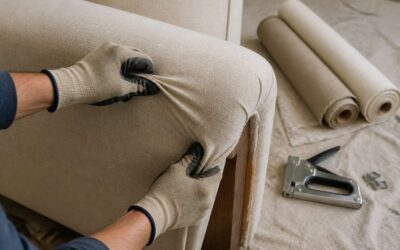
If you’re planning a fabric couch reupholster, prep is everything. A deliberate early phase saves time and money, especially under South Africa’s bright mornings. Start by evaluating the sofa’s frame: any wobble or creak signals repairs before fabric goes on. Photograph each view so your new fabric lines up with cushions and arms. Safety first: remove cushions, unplug lamps, and keep small hardware in labeled jars. This groundwork keeps the project clean and on track.
- Cushions are removed and the old fabric detached from the arms and rails.
- The fabric is gently peeled back, edges cut along staples without nicking foam or springs.
- Each cut piece is labeled and fabric bagged for easy reference.
- Springs, webbing, and joints are inspected for any repairs before new fabric goes on.
With the old cloth safely stripped, you’re ready to move into padding, boards, and precise fabric fitting for a lasting finish.
Disassembling the sofa frame and inspecting structure
Morning light spills across a South African lounge as I unwrap the first secret—what lies inside the couch frame. Disassembly becomes a quiet ritual: cushions released, fabric loosened, and the skeleton of timber, springs, and joints revealed to careful, patient eyes. Each screw and rail tells a story of wear and weather, inviting a respectful listening before new fabric is invited in.
As you carve space for the next chapter, inspect for wobble, loose joints, or cracked wood. Photograph the alignment of arms and rails, and note any sag in the springs or webbing. This stage is foundational to the fabric couch reupholster journey, where understanding the frame saves time and preserves safety.
When the frame speaks clearly, the mind can drift toward padding, boards, and the restraint of fabric. The room’s quiet becomes a guide, and you feel the work turning from guesswork to craft.
Measuring, cutting, and aligning new fabric
‘Measure twice, cut once,’ a rule that saves a quiet South African workshop from miscuts and a Sunday with frayed nerves. For the fabric couch reupholster, precision begins with calm measurement and a clear plan.
To keep things honest and simple, follow these steps:
- Measure with calm precision, translating every dimension to fabric with chalk lines.
- Cut with respect for seam allowances, shaping panels for cushions, back, and arms.
- Align the grain and patterns, pinning pieces to ensure continuity across seams.
With the fabric aligned and pieces ready, the fabric couch reupholster journey becomes a rhythm you can hear in the room—steady, hopeful, and practical.
Attaching upholstery fabric and final touches
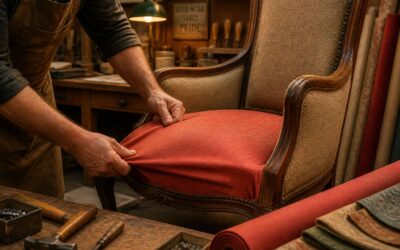
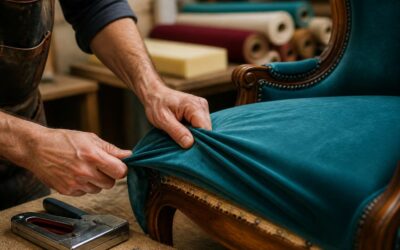
Every durable sofa tells a story when the fabric is set just so. In a quiet South African workshop, finishing is where a room begins to speak. “A sofa that’s dressed well invites conversation,” a veteran upholsterer likes to say. The step of attaching upholstery fabric and final touches marks the moment calm measurement meets confident finish.
Think about these elements as you move toward the finish:
- Grain alignment and pattern continuity
- Seam lines and edge finishing for a clean, lasting look
- Even tension and consistent fabric across cushions
These choices shape the fabric couch reupholster result, giving it a quiet, professional presence in any room.
From the customer’s seat, the room feels renewed; the sound of fabric smoothing and corners crisp marks a successful fabric couch reupholster journey.
Working with Professionals: When to Hire Help
How to find a qualified upholsterer
I’ve learned the hard way that your couch isn’t a DIY science project—when fabric, springs, and zippers collide, you want a seasoned pro in your corner. A well-timed pro intervention can save time, prevent costly mistakes, and keep your living room from turning into a long-running comedy of errors.
Hire help when you notice a wobbly frame, sagging cushions, creases that won’t relax, or complex patterns that demand perfect alignment. If you’re considering a fabric couch reupholster, a pro brings precise cutting, proper foam selection, and reinforced seams that DIY hands often overlook.
To find a qualified upholsterer, consider these indicators:
- A clear portfolio and client testimonials indicate craftsmanship.
- Professional affiliations and warranties signal credibility.
- Transparent estimates and aftercare guidelines reveal how issues are handled.
In South Africa, look for installers who offer in‑home consultations and clear timelines, so you know what to expect from start to finish.
What to expect during the process
A seasoned pro once quips, “The frame holds the memory; fabric writes the ending.” In South Africa, that truth lands with a resonant thud: a pro’s timing can save time, money, and living room drama. If you’re considering a fabric couch reupholster, a pro brings precise cutting, material knowledge, and reinforced seams that DIY hands often overlook.
What to expect during the process includes clear timelines, transparent pricing, and meticulous workmanship. To help keep expectations aligned, consider these:
- Clear timelines and open communication throughout the project
- Written estimates with a straightforward materials list
- On-site handling, adjustments, and a clean final touch
With the right professional, the transformation unfolds like a small miracle—quiet, precise, and tailored to your room’s heartbeat. You’ll be invited to review fabric choices, confirm patterns, and receive aftercare guidance to keep the couch looking pristine for years to come.
Questions to ask and quotes to compare
South African living rooms deserve precision, not guesswork. When a fabric couch reupholster is on the table, a seasoned pro brings exact cutting, material know-how, and reinforced seams that DIY hands often overlook. Hiring makes sense when the frame shows fatigue, or when a pattern must align across cushions and arms. A competent upholsterer also guards your budget with upfront estimates and a realistic schedule.
To keep expectations aligned, consider these questions to ask and quotes to compare:
- Is the estimate written and does it include a materials list?
- What is the projected timeline and how are delays communicated?
- Do you inspect the frame and guarantee reinforced seams?
- Can you provide fabric samples and references from previous clients?
Done well, the room breathes easier.
Warranty, guarantees, and aftercare
A well-executed fabric couch reupholster can redefine a room’s mood with quiet authority. When you hire professionals, precision arrives in exact cutting, fabric knowledge, and reinforced seams—things DIY hands often miss. In South Africa, choosing a reputable upholsterer also protects your budget with upfront estimates and a predictable timeline.
Warranty, guarantees, and aftercare aren’t afterthoughts—they’re the spine of a durable investment. When you partner with a pro, you’ll typically encounter three assurances:
- Comprehensive warranty terms on the frame and seams
- Clear workmanship guarantees and adherence to schedules
- Tailored aftercare guidance to preserve color and texture
From this collaboration arises a room that breathes, inviting family and guests to linger a little longer under the soft glow of well-chosen fabrics.

0 Comments