Fabric options for chair upholstery
Overview of popular fabric types for chairs
Chairs in a busy South African home carry more stories than a WhatsApp group, and the fabric is the plot twist. In this world, what fabric to reupholster chairs is less about trend and more about endurance.
Here are fabrics that hold up to SA living:
- Velvet feels luxurious but needs careful care and a light touch with heat.
- Performance synthetics blend stain resistance with breathability, ideal for busy homes.
South Africa’s sun can fade colors swiftly; choose UV-resistant fibers and tight weaves to keep tone true, and lean toward darker neutrals that forgive the spill. This is where colorfastness and texture meet in the decision.
In short, the right choice makes chairs look sharp and witty for years to come, adding character to every meal without shouting.
Natural versus synthetic fibers and how they perform
South Africa’s dining rooms have more stories than a WhatsApp group, and the fabric is the plot twist. The sun, the spills, the daily clatter all demand textiles that endure. “Endurance over trend,” a veteran upholsterer reminds us, is the guiding motto here.
Natural fibers such as cotton or linen bring warmth and texture, ages with a quiet patina, and breathe under Africa’s heat. They pair with classic palettes but can fade or soil more quickly without care. Synthetic fibres and blends offer superior stain resistance and colorfastness, while still allowing a breathable hand. These differences matter when you weigh what fabric to reupholster chairs.
Consider this snapshot of the options:
- Natural fibers: cotton, linen, wool—lush feel, best with careful maintenance.
- Synthetic fibers: polyester, nylon blends—stain-resistant, UV-stable, easy to clean.
- Blends: the middle ground—durability with a touch of luxury.
Performance fabrics and blends that balance style and durability
When you wonder what fabric to reupholster chairs, you crave a material that ages like a well-loved story. In South Africa’s sunlit rooms, texture and resilience write the plot, while maintenance acts as the quiet mentor. A bold weave or a soft linen both have secrets to keep!
Performance fabrics and blends strike that elusive balance between style and durability. They push back against spills, UV glare, and daily clatter, yet they still offer a welcoming hand to the touch. In our climate, breathability matters, but so does colorfastness and easy cleaning after a long week.
Consider dependable categories that suit a dining room’s rhythm.
- Polyester blends with microfibers for stain resistance
- Solution-dyed acrylics for color and fade resistance
- Synthetic leatherette and vinyl for wipe-clean practicality
Aesthetic considerations: texture, color, and pattern
In South Africa’s sunlit dining spaces, furniture becomes a narrative you live with. When you wonder what fabric to reupholster chairs, you want something that ages like a well-loved story—rich to the eye, inviting to the touch, resilient against the calendar of family meals and friendly spills.
- Velvet: sumptuous depth that forgives minor mishaps with a soft hand
- Bouclé: looped textures with forgiving grain that hides wear
- Linen-blend: breathable, casual refinement for warm South African days
- Coated synthetic leatherette: wipe-clean practicality for busy kitchens
Color and pattern are the room’s punctuation: choose a hue that anchors the scheme, or a pattern that whispers rather than shouts! In South African homes, track light and sunlit walls play with micro-patterns, while solid-tones remain timeless under heavy weather.
Cost and value: budget-friendly vs premium materials
In South Africa’s sun-drenched dining rooms, a chair is not merely furniture—it’s a statement of endurance and grace. When you wonder what fabric to reupholster chairs, you weigh beauty against resilience and the calendar of daily meals.
Cost and value go hand in hand. I’ve learned that the most affordable option can still look fearless while the premium choice may reward you with longer life and a quieter fade. The trick is matching your rhythm of use with the fabric’s character, not chasing short-lived trends.
- Budget-friendly options: durable polyesters and coated synthetics that resist spills and are gentle on wallets.
- Mid-range: blends and performance fabrics that balance feel, cleaning ease, and longevity.
- Premium: natural fibers and luxe textures like bouclé, linen, or coated leather for lasting elegance.
In the end, your chairs carry more than thread and color; they cradle memory and light, season after season.
Durability and practicality for high-use chairs
Abrasion resistance and wear ratings explained (martindale/wyzenlite)
In bustling spaces across South Africa, a chair can endure hundreds of sits each week, turning upholstery into a living record of use. When considering what fabric to reupholster chairs, durability matters as much as colour or texture. I’ve learned that a fabric’s life shows up in its reaction to traffic and spills, not just its first impression!
Durability isn’t abstract—it’s measured in abrasion resistance and wear ratings. The Martindale test clocks rubbing cycles to reveal fiber resilience, while Wyzenlite distinguishes commercial from home use. For high-traffic chairs, seek fabrics with higher rub counts and durable weaves.
- Martindale: higher rubs = longer wear under friction
- Wyzenlite: commercial vs residential endurance
Choosing the right fabric to reupholster chairs is about balancing appearance with endurance; it’s a conversation about touch, longevity, and practicality.
Stain resistance and easy-care options
As chairs endure the day-to-day rhythm of South Africa’s cafés, offices, and homes, durability reveals itself in quiet, stubborn ways. I’ve watched fabrics survive coffee spills and tracked-in dust long after the first impression fades. So, when choosing what fabric to reupholster chairs, the question shifts from beauty to how a material stands up to traffic and mishaps. It’s a negotiation between touch and tenacity, between a look you love and a life that keeps going.
Stain resistance and easy-care options can tilt the odds toward longer life without sacrificing style. Look for finishes that repel liquids and textures that respond to quick wipe-downs. In practice, you’ll notice blends designed for hospitality and office use perform better in spills and daily abrasion.
- Stain-resistant finishes that endure frequent cleaning
- Easy-care fabrics like performance blends and treated synthetics
In the end, durability becomes a signature—quiet, practical, and ready for whatever the day in South Africa throws at it.
Suitability for households with kids and pets
Chairs endure a daily gauntlet in South Africa’s cafés, offices, and homes. They weather coffee spills, dusty traces, and hurried movements that test seams. Durability reveals itself not with fanfare but as a quiet determination stitched into every fibre.
When considering what fabric to reupholster chairs, durability and practicality become guiding principles. Look for a tight weave, resilient finishes, and dyes that resist fading under sunlit windows and office lights.
- tight weave
- liquid-repellent finish
- colorfast dyes
For households with kids and pets, the fabric should forgive the inevitable mess and cling to life despite accidents. Textures that hide smudges, resist pilling, and wipe clean are worth seeking. The right choice turns daily chaos into a softer rhythm.
Environmental factors: sun exposure, humidity, and climate impact
Durability and practicality are the quiet champions of high-use chairs across South Africa’s cafés, offices, and homes. In spaces where chairs meet daily traffic, a fabric must endure more than a moment—coffee spills, dusty traces, and hurried turns test seams with quiet persistence. Our climate—sun-drenched days, humid echoes, and cool evenings—demands choices that stay vibrant, resist wear, and invite lingering comfort rather than quick replacement!
Environmental factors shape how a fabric ages in our distinctive light and air.
- Sun exposure from windows and verandahs
- Humidity and seasonal moisture swings
- Climate variability between inland and coastal regions
When weighing options for high-use spaces, consider resilience that survives the South African sun and sudden shifts in weather. If you’re exploring what fabric to reupholster chairs, seek a fabric that balances a tight weave, robust finishes, and colorfast dyes that endure.
Choosing fabric based on chair type: dining, office, lounge
Busy spaces teach a stubborn truth: durability wears the crown in high-use chairs across South Africa’s cafés, offices, and homes. A bustling dining room can log more than 2,500 sits a year, turning every meal into a small test of endurance. When you ask what fabric to reupholster chairs, you’re weighing how it ages under daily drama. The right choice honors the chair’s role—dining, office, or lounge—and keeps comfort alive between quick turns and long conversations.
- Dining: easy cleanup after meals, strong seams, and a fabric that sits nicely under mugs.
- Office: sustained support, durable surface, and comfortable seat depth for long workdays.
- Lounge: softer textures with lasting plush, inviting hours of conversation.
Matching the chair’s purpose to the fabric’s character helps spaces endure with grace.
Maintenance, cleaning, and care guidelines
Spot cleaning versus routine deep cleaning: best practices
A South Africa–wide glance at home care shows upholstery that’s cared for lasts up to 30% longer. When deciding what fabric to reupholster chairs, maintenance demands become a practical compass!
Spot cleaning matters most in daily life. Blot spills immediately, don’t rub; use a mild detergent or a fabric-specific cleaner, and always test on an inconspicuous area. Allow the fabric to air-dry away from direct heat to avoid setting stains.
- Blot spills promptly instead of rubbing.
- Test cleaners on a hidden area first.
- Let any damp fabric air-dry completely before use.
Routine deep cleaning is a scheduled affair, typically every 6 to 12 months in busy homes; households with kids or pets push that toward quarterly. For natural fibers, professional cleaning helps preserve texture; synthetic blends tolerate gentle household methods when cleaners are approved by the manufacturer.
Care instructions by fabric category (natural, synthetic, blends)
Maintenance is the quiet calculus of chair upholstery. In South Africa, fabric that’s cared for lasts longer. When you ask what fabric to reupholster chairs, maintenance becomes a compass guiding longevity and style.
Natural fibers crave gentle handling. Professional cleaning helps preserve texture; shield them from harsh sun and humidity that fade color. Let damp fabric air-dry away from direct heat.
Synthetic blends shrug at the pace of daily life, provided cleaners are manufacturer-approved. Test on an inconspicuous area and favor spot-clean methods over brute scrubbing.
Care instructions by fabric category (natural, synthetic, blends) emphasise balance: light, regular care for blends, periodic refreshment for naturals, cautious maintenance for synthetics.
- Read care labels and follow guidelines.
- Test cleaners on hidden areas.
Stain removal do’s and don’ts for common spills
Maintenance is the quiet calculus of chair upholstery. In South Africa, fabrics that are cared for endure longer, resisting sun and humidity’s bite while staying true to their texture and color.
When you ask what fabric to reupholster chairs, maintenance becomes a compass guiding longevity and style. Treat naturals gently, shield them from harsh light; allow damp fabrics to air-dry away from direct heat; and choose cleaners that respect the weave.
- Do blot spills gently with a clean, white cloth; avoid rubbing or scrubbing that wounds fibers.
- Do test any cleaner on a hidden area first, respecting manufacturer guidance.
- Don’t use harsh solvents, bleach, or solvents not approved for the fabric.
- Don’t leave moisture to linger; air-dry in shade away from direct heat.
Stain removal remains a ritual of restraint, preserving mood, texture, and the chair’s inevitable silhouette. Ultimately, what fabric to reupholster chairs reveals the room’s climate and memory.
Tips for prolonging fabric life: rotation, protective barriers, and seating habits
Fabrics that weather sun and humidity in South Africa tell a quiet story of endurance. A regional survey finds well-kept upholstery lasting up to 30% longer than pieces left to sun and spill.
Maintenance is the quiet calculus of chair upholstery. When considering what fabric to reupholster chairs, it becomes a compass guiding longevity and style. Treat naturals gently, shield them from harsh light; allow damp fabrics to air-dry away from direct heat; and choose cleaners that respect the weave.
- Rotation of cushions to distribute wear evenly
- Protective barriers or slipcovers to guard against sun and spills
- Mindful seating habits that reduce stress on seams and edges
Stain removal remains a refined ritual—subtle, patient, and respectful of mood, texture, and silhouette. This is how care translates into lasting presence in your space.
Professional cleaning frequency and cost expectations
A regional survey shows well-kept upholstery lasts up to 30% longer than sun-bleached, spill-prone pieces. Maintenance is the quiet calculus of chair care—tender handling, shielded light, and air-drying when damp. Small habits turn a set of chairs into lasting companions.
When considering what fabric to reupholster chairs, maintenance guides both longevity and style. Professional cleaning frequency depends on usage, climate, and fabric type. Below are typical expectations:
- Frequency: 6–12 months for high-traffic areas; 12–24 months for calmer spaces.
- Cost: standard cleaning around R300–R900 per chair; deep cleaning or premium fabrics may reach R1,000–R2,500.
- What to expect: stain removal, deodorizing, and fabric-safe protection added during service.
Care that respects texture and weave translates into a room that feels alive day after day. That choice, what fabric to reupholster chairs, anchors the look—and the life—of your space.
Practical reupholstery considerations and installation tips
Calculating yardage and pattern matching for chairs
South Africa’s design scene loves chairs that tell a story, and the right fabric makes the moment. When considering what fabric to reupholster chairs, durability and cleanability lead the way.
Practical reupholstery starts with precise measurements and a simple plan. Here are quick checks that keep the project in balance.
- Consider how pattern matching will align across seat and back components.
- Assess fabric direction and how texture reads in your room’s light.
- Ensure you have compatible materials to maintain a cohesive look with existing décor.
Calculating yardage and pattern matching depends on the pattern repeat and chair shape. For stripes or plaids, align the motif at the main focal point and budget extra length for trimming.
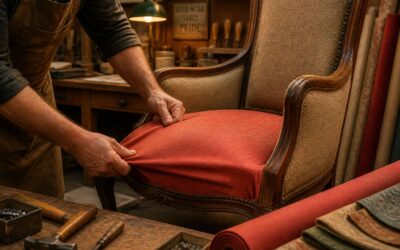
Install with even tension, fit snugly to edges, and trim carefully with sharp shears. A careful finish protects the investment and keeps your space looking fresh.
Nap direction, pile, and alignment across chairs
Chairs with a story linger in memory, and South Africa’s design scene loves them. The right fabric does the talking. If you’re wondering what fabric to reupholster chairs, start with nap direction, pile, and alignment for cohesion.
Practical reupholstery hinges on simple checks before you touch foam.
- Nap direction and its effect on texture in light
- Pile height consistency shapes shading and wear
- Across-chair alignment of pattern and seams
Finished textures endure when nap, pile, and alignment are treated as design data rather than mere detail. A careful finish protects the investment and keeps your space looking fresh as light changes.
Choosing backing and interlining for durability
Practical reupholstery hinges on simple checks before you touch foam. What fabric to reupholster chairs is only part of the equation; the real foundation is backing and interlining, which determine durability and crease resistance. In SA homes, where light and humidity vary, a stable underlayer keeps seams quiet. If you’re wondering what fabric to reupholster chairs, start with backing and interlining choices.
- Backing: hessian/burlap for grip, cotton canvas for smooth surfaces, or a webbing under layer.
- Interlining: cotton/wool blend or polyester fleece for body and stability.
- Installation considerations: maintain even tension, align pattern, and choose a method that avoids tearing.
A clean edge and a protective barrier finish the work, ensuring your chairs stay vibrant through the sun. Across SA, the right backing and interlining quietly do the heavy lifting so the fabric can tell its story for years.
Hardware compatibility and staple choices during installation
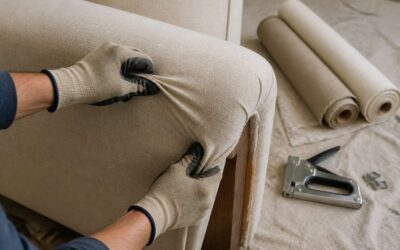
Practical reupholstery hinges on the unseen pins and tacks that keep a chair singing. When considering what fabric to reupholster chairs, hardware compatibility and staple choices shape the final texture and longevity more than any color. In SA homes, where light and humidity vary, a whisper-quiet underlayer and the right tools prevent snagging and tearing as you work through the seams.
Key considerations include hardware compatibility and staple choices, such as:
- 22- or 23-gauge staples
- staple length 1/4″ to 3/8″ for light fabrics; 1/2″ for heavier layers
- pneumatic stapler vs manual hammer-tacker
Respecting pattern alignment and even tension protects the fabric from creasing and premature wear, ensuring the chair tells its story for years.
Common mistakes to avoid during DIY reupholstery
Texture outlasts trend—the right fabric tells a chair’s story. In South Africa, light and humidity shift like tides, so the unseen pieces of the upholstery puzzle matter most.
When you’re weighing what fabric to reupholster chairs, consider fibre strength, nap direction, and how the weave behaves under heat and sun. The choice shapes longevity as much as colour. For our spaces, pattern and grain deserve respect, ensuring a quiet, cohesive surface across chairs.
- Pattern alignment at seams to avoid mismatches
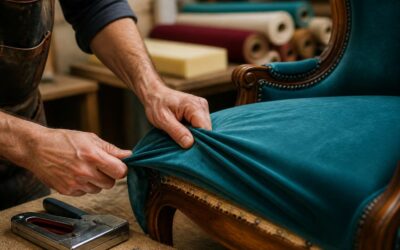
- Even tension to prevent puckering and sag
- A mindful nap direction to keep texture cohesive across chairs
Common mistakes to avoid include neglecting an underlayer, inconsistent tension, and ignoring wear patterns under kids and pets—the small missteps often reveal themselves at the cushions and edges.

0 Comments